📞  — free, 24/7
— free, 24/7 — free, 24/7Gout treatments and prevention products for managing elevated uric acid and acute attacks, including anti‑inflammatories (NSAIDs, colchicine, corticosteroids), urate-lowering drugs (allopurinol, febuxostat, probenecid), and supportive remedies for pain and flare control.
Gout treatments and prevention products for managing elevated uric acid and acute attacks, including anti‑inflammatories (NSAIDs, colchicine, corticosteroids), urate-lowering drugs (allopurinol, febuxostat, probenecid), and supportive remedies for pain and flare control.
Gout is a form of inflammatory arthritis that occurs when crystals of uric acid collect in joints and surrounding tissues. The medicines in this category address either the immediate inflammation and pain of a gout attack or the longer-term goal of lowering and maintaining uric acid levels to reduce the frequency of attacks. Medications are selected to manage symptoms during an acute episode, prevent future flares, or modify the body’s handling of uric acid. Treatments vary in mechanism and duration of use, so the category groups short-term anti-inflammatory options alongside daily therapies intended for ongoing control.
Common use cases include short courses of treatment to control sudden painful flares and sustained regimens to lower uric acid for people who have frequent attacks or known crystal deposits. Acute treatments are typically prescribed when pain, swelling, and redness occur in a joint and aim to reduce inflammation quickly. Preventive or urate-lowering therapies are usually taken long term to maintain lower blood uric acid levels and help prevent new crystal formation. Some therapies may also be used in a transitional way—started or adjusted when patients experience changes in symptoms or test results.
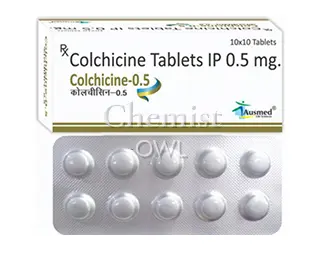
Medications found in this category fall into a few main groups. Anti-inflammatory agents used for acute attacks include colchicine and common anti-inflammatory drugs; corticosteroids are another option when anti-inflammatories are unsuitable. Urate-lowering therapies include xanthine oxidase inhibitors such as allopurinol (also marketed under names like Zyloprim) and febuxostat, which reduce the production of uric acid. Uricosuric agents such as probenecid (Benemid) increase the kidneys’ elimination of uric acid. Some products are used occasionally to manage complications or associated conditions, but the core choices are anti-inflammatories for flares and urate-lowering drugs for prevention.
Safety considerations are an important part of selecting and using gout medicines. Side effects differ between drug classes: anti-inflammatory drugs can cause gastrointestinal upset or interact with other medications, colchicine can produce gastrointestinal or blood cell effects at higher or prolonged doses, and urate-lowering agents may require dose adjustment in kidney impairment and carry their own risk profiles. Certain medications can interact with commonly used drugs, and some individuals may experience allergic or severe reactions. Laboratory monitoring and periodic assessment of kidney function or blood counts are commonly mentioned by prescribers to ensure therapies remain appropriate and safe for each person.
When comparing products, users often look for how quickly a medicine works during an attack, how effective it is at preventing future flares, and what side effects are most likely. Practical considerations include dosing frequency, route of administration (most gout medicines are oral), any required monitoring, potential interactions with other prescriptions, and the suitability of a medicine given other health conditions. Availability as a generic, ease of long-term adherence, and whether a prescription is required are also typical factors people consider when choosing a treatment option for gout management.