📞  — free, 24/7
— free, 24/7 — free, 24/7Tools and treatments for monitoring and managing blood pressure: home monitors (digital and manual), replacement cuffs and accessories, ambulatory devices, and related over-the-counter supplies, plus guidance for tracking readings and choosing appropriate devices.
Tools and treatments for monitoring and managing blood pressure: home monitors (digital and manual), replacement cuffs and accessories, ambulatory devices, and related over-the-counter supplies, plus guidance for tracking readings and choosing appropriate devices.
Medications grouped under "Blood Pressure" are prescription drugs used to lower and control elevated blood pressure, a common long‑term health condition. These products aim to reduce the force of blood against arterial walls and lower the chance of pressure‑related complications over time. The category contains single‑agent therapies and combination pills formulated for daily use, sustained release, or short‑acting dosing schedules. While many names on pharmacy labels are familiar as brand or generic formulations, they belong to a few well‑established classes with distinct mechanisms of action and typical patterns of effect.
Common use cases for these medicines extend beyond simply reducing a number on a blood pressure monitor. They are often used to manage chronic hypertension, slow progression of kidney disease associated with high pressure, reduce strain on the heart in conditions such as heart failure, and lower the risk of stroke or heart attack. Some agents are also prescribed for related problems such as certain irregular heart rhythms, fluid retention, or to protect organ function in people with diabetes. Choice of therapy frequently reflects the overall health profile and other conditions present.
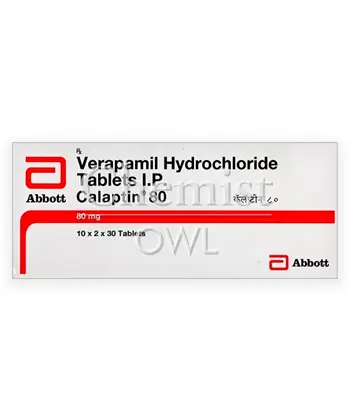
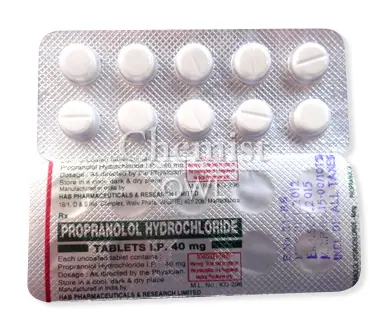
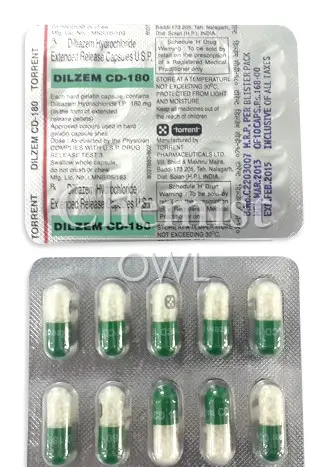
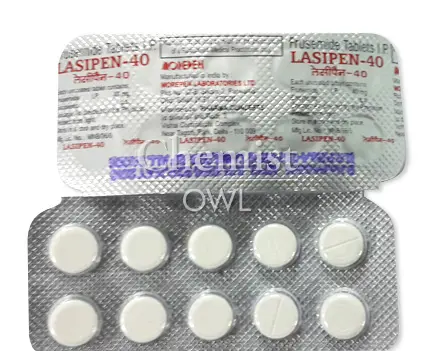
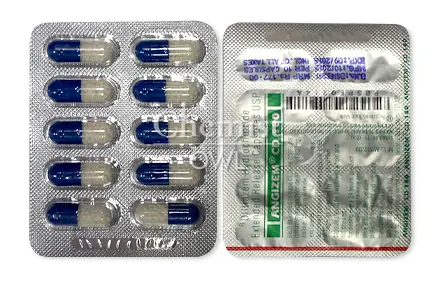
Different classes of drugs appear in this category. Angiotensin‑converting enzyme (ACE) inhibitors such as lisinopril and enalapril (Vasotec) and angiotensin receptor blockers (ARBs) like losartan (Cozaar), irbesartan (Avapro) and candesartan (Atacand) act on the renin‑angiotensin system. Beta‑blockers such as metoprolol (Toprol), atenolol (Tenormin) and propranolol (Inderal) reduce heart rate and output. Calcium channel blockers include amlodipine (Norvasc), nifedipine (Procardia) and verapamil, while diuretics such as hydrochlorothiazide (Microzide), furosemide (Lasix) and spironolactone (Aldactone) help remove excess fluid. Other options include centrally acting agents like clonidine (Catapres), alpha‑blockers such as prazosin (Minipress), and fixed‑dose combinations like Zestoretic or Hyzaar that pair two mechanisms in one tablet.
General safety considerations associated with blood pressure medicines involve distinct side‑effect profiles and laboratory effects rather than uniform risks across the group. Some agents can cause dizziness or lightheadedness when pressure falls, others may affect electrolyte balance or kidney function, and ACE inhibitors are commonly associated with a persistent cough in some people. Combination treatments can simplify dosing but may increase the likelihood of certain adverse effects. Information on interactions with other drugs or supplements is relevant for many products in this class, as are differences between immediate‑release and extended‑release formulations.
When selecting among options, many users compare therapy goals such as how quickly a medicine works and whether it controls daytime and nighttime pressure, the frequency of dosing, known side effects, and any monitoring likely to be needed. Availability of generic versions, whether a single tablet combines two modes of action, and the presence of formulations for once‑daily dosing are practical factors commonly considered. For people taking other medications, potential interactions and simplicity of the regimen are often priorities.
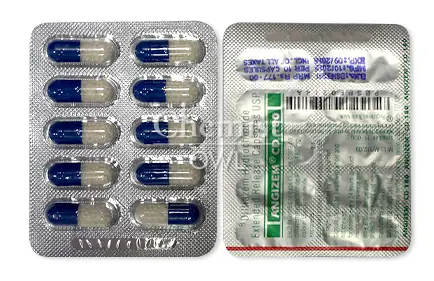
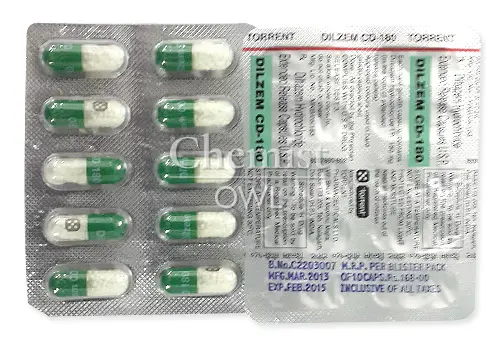
Use patterns vary: some medicines are started at low doses and adjusted over time, others provide steady effect with once‑daily dosing, and combinations are sometimes used when a single agent is insufficient to reach target levels. Extended‑release versions such as Toprol XL or Isoptin SR offer a more even blood level over 24 hours, while immediate‑release forms may be preferred in specific situations. Descriptions on packaging and prescribing information outline indications, typical dosing ranges, and monitoring considerations associated with each product within this category.