📞  — free, 24/7
— free, 24/7 — free, 24/7Sleep aids for occasional or ongoing insomnia and restlessness: over-the-counter and prescription options (melatonin, antihistamines, sedative-hypnotics), sleep-promoting supplements, herbal remedies, and non-drug supports such as relaxation aids, eye masks, and sound machines.
Sleep aids for occasional or ongoing insomnia and restlessness: over-the-counter and prescription options (melatonin, antihistamines, sedative-hypnotics), sleep-promoting supplements, herbal remedies, and non-drug supports such as relaxation aids, eye masks, and sound machines.
Sleep aids cover a range of products designed to help people fall asleep, stay asleep, or adjust sleep patterns. They are intended to address short-term sleep difficulties such as trouble falling asleep, waking frequently during the night, or temporary disturbances like jet lag and shift work. These products are not a substitute for diagnosing or treating ongoing sleep disorders, but they can be part of managing intermittent or situational sleep problems when used as directed.
People commonly use sleep aids in a few different situations: to shorten the time it takes to fall asleep, to reduce night-time awakenings, or to shift sleep timing for travel or work schedules. Some individuals rely on occasional use when stress, changes in routine, or environmental factors cause sleepless nights. Others might use a sleep-promoting medicine for a limited period while addressing lifestyle factors that affect sleep, such as sleep hygiene, light exposure and daily routines.
The category contains several types of medications and formulations. Over-the-counter options include antihistamine-based products and melatonin supplements, which are often chosen for short-term or situational use. Prescription medicines include sedative-hypnotics such as non-benzodiazepine hypnotics and older benzodiazepine agents, as well as certain antidepressants with sedative effects that may be used in specific circumstances. Products come as tablets, capsules, dissolvable forms and liquid formulations to suit different preferences.
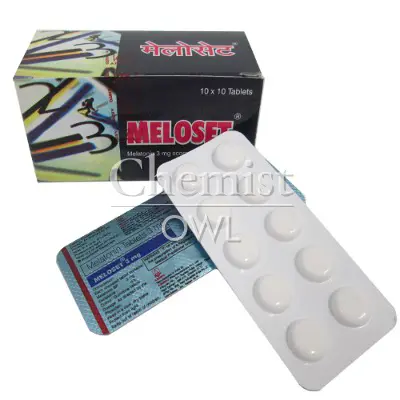
Names you may encounter reflect this variety. Some products are marketed as melatonin preparations or melatonin receptor agonists, while others are labeled as prescription hypnotics or sedatives. Examples of names commonly seen in this category include fulnite, hyplon, hypnite, meloset, restfine, sleepose and toficalm, representing a mix of formulation types and intended uses. Labels and product information typically indicate whether an item is available without a prescription or requires medical authorization.
Safety considerations are an important part of choosing any sleep aid. Common effects can include next-day drowsiness, impaired coordination, and cognitive slowing, and some medicines carry risks of tolerance, dependence or withdrawal with prolonged use. Interactions with other prescription or over-the-counter medicines, alcohol and certain health conditions can alter how a sleep aid works or increase side effects. Regulatory approvals and product labeling vary by formulation and jurisdiction, and these sources provide details on approved uses and safety information.
When comparing options, many people look at how quickly a product starts to work, how long its effects last, the likelihood of next-day residual effects, available formulations and whether it is intended for short-term or longer-term use. Other common considerations include whether the product is sold without prescription, known side-effect profiles, and whether the active ingredient aligns with a user’s previous experience or preferences. Product labeling, package inserts and qualified healthcare resources offer more information on suitability, dosing ranges and potential interactions for each specific medicine.