📞  — free, 24/7
— free, 24/7 — free, 24/7Medications and support products for managing thyroid disorders such as hypothyroidism and hyperthyroidism. Includes thyroid hormone replacement (e.g. levothyroxine), antithyroid agents, dosing aids, monitoring supplies and clear safety and usage information.
Medications and support products for managing thyroid disorders such as hypothyroidism and hyperthyroidism. Includes thyroid hormone replacement (e.g. levothyroxine), antithyroid agents, dosing aids, monitoring supplies and clear safety and usage information.
Medications in the Thyroid category are intended to address disorders of the thyroid gland, which plays a central role in regulating metabolism, energy use and many body functions. Most products here are hormone replacement or hormone-supplementing medicines designed to restore normal levels of thyroid hormones when the gland is underactive or when hormone production has been surgically reduced. A smaller number of related agents support specific clinical situations where rapid correction or short-term adjustment of hormone levels is needed.
Common use cases for these medicines include treatment of hypothyroidism, where the thyroid does not produce sufficient hormone, and replacement therapy after thyroid surgery or radioactive iodine treatment. They may also be prescribed when laboratory testing shows low levels of thyroid hormones despite mild or no symptoms, or during pregnancy when thyroid hormone needs can change. In addition to long-term maintenance regimens, certain preparations are used in acute or transitional circumstances under medical supervision.
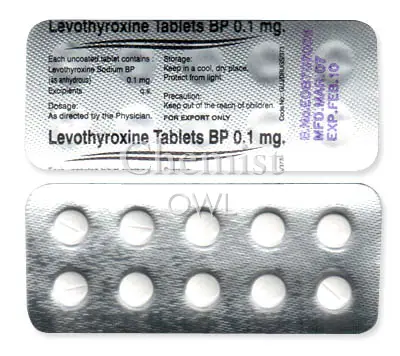
The category covers a few different classes of drugs. Synthetic levothyroxine (a T4 hormone) is the most widely used form and is represented by familiar names such as levothroid and Synthroid; it serves as a stable, long-acting source of circulating thyroid hormone. Liothyronine (a T3 hormone), sold under names like Cytomel, is a shorter-acting, more potent form that sometimes appears in combination therapies or is used when a more rapid increase in hormone activity is needed. Some products combine T4 and T3 or use naturally derived desiccated thyroid preparations; formulations differ in potency, onset of action and how they are monitored clinically.
Formulation and administration options in this category are generally tailored to individual needs. Oral tablets are the most common, available in multiple strengths to allow fine dosing adjustments, while liquid formulations can be helpful when swallowing tablets is difficult or when very precise dosing is required for infants or certain medical situations. Injectable formulations exist but are typically reserved for specific inpatient scenarios. Because thyroid hormones have systemic effects, the route and timing of administration are factors that prescribers consider when determining an appropriate regimen.
General safety considerations focus on the balance between under-replacement and over-replacement of hormone. Overly high doses can cause symptoms of excess thyroid activity and may strain the cardiovascular system, while insufficient dosing can leave symptoms of low thyroid function untreated. Absorption and effectiveness can be influenced by other medications, dietary supplements such as calcium and iron, and certain gastrointestinal conditions. Periodic laboratory monitoring and clinical assessment are commonly part of safe long-term use, and dose adjustments are often made based on blood tests and symptom response.
When selecting a product from this category, people typically look at available strengths, the form of the medicine (tablet versus liquid), whether a generic or a named formulation is preferred, and any special handling or storage instructions. Prescription requirements, regulatory approvals and clear labeling of active ingredients are important for ensuring the right product is matched to an individual’s needs. Practical considerations such as pharmacy services for refills, packaging that supports accurate dosing, and the availability of appropriate strengths for gradual dose changes also influence choices.