📞  — free, 24/7
— free, 24/7 — free, 24/7Medications and devices for preventing and relieving asthma symptoms, including reliever and controller inhalers, inhaled corticosteroids and bronchodilators, combination inhalers, spacer devices, nebulizers, peak flow meters and related monitoring supplies for adults and children.
Medications and devices for preventing and relieving asthma symptoms, including reliever and controller inhalers, inhaled corticosteroids and bronchodilators, combination inhalers, spacer devices, nebulizers, peak flow meters and related monitoring supplies for adults and children.
Asthma medicines are designed to ease breathing by opening narrowed airways and reducing the inflammation that makes asthma symptoms worse. The category covers products used for immediate symptom relief as well as those intended for regular preventive treatment. Delivery methods vary and include pressurised metered‑dose inhalers, dry powder inhalers, nebulizer solutions, oral tablets and capsules, and sometimes combination devices. Because asthma affects people across all age groups, available formulations range from low‑dose maintenance inhalers for children to higher‑dose products for adults with more persistent symptoms.
Common use cases are distinct: fast‑acting relievers are taken at the first sign of breathlessness or wheeze, while controllers are used daily to lower the risk of flare‑ups and keep symptoms under control. Short‑acting bronchodilators are typically kept on hand for sudden tightening of the chest, whereas inhaled corticosteroids and long‑acting bronchodilator combinations are part of longer‑term management. In some situations where inhaled treatment cannot fully control symptoms, oral medications or combination regimens are employed to reduce exacerbations or to manage more complex airway conditions.
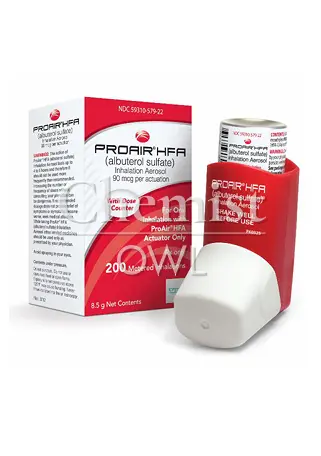
Medications found in this category span several pharmacological classes. Short‑acting beta‑agonists such as albuterol (seen in products like Ventolin, ProAir or Proventil) are common rescue inhalers. Inhaled corticosteroids and combination inhalers — examples often used for maintenance — include formulations with budesonide or combinations of steroid plus long‑acting bronchodilator (medicines marketed under names such as Advair and Symbicort in powder form). Anticholinergic bronchodilators like tiotropium (Spiriva, Tiova) and ipratropium combinations (Combivent) are another group, while oral options such as montelukast (Singulair), theophylline formulations (Theo‑24, Uniphyl), and other airway‑directed agents may be used in particular clinical settings. Some nasal steroid sprays are listed alongside inhaled medicines because allergic nasal symptoms often occur with asthma and are treated by similar anti‑inflammatory drugs.
General safety considerations reflect differences between classes. Bronchodilators can cause transient tremor, palpitations or headache, especially at higher doses, while inhaled steroids may lead to throat irritation or oral candidiasis if proper inhalation technique and mouth‑rinsing practices are not observed. Oral agents such as theophylline require monitoring because of a narrow therapeutic window and greater potential for interactions. Device‑related factors — such as correct inhaler technique, matching the medication to an appropriate inhaler or spacer, and ensuring powder inhalers are used with adequate inspiratory flow — influence both effectiveness and side‑effect risk.
When choosing a medicine, consumers typically consider the delivery method and ease of use, dosing frequency, whether a combination product can replace multiple separate inhalers, and whether a formulation is suitable for children or older adults. Device compatibility (for example, whether a given inhaler works with a spacer, or whether it is a dry‑powder versus metered‑dose design) matters for many people. Availability of generic versions, packaging sizes, and formulations intended for travel or emergency use are other common considerations.
Many products in this category are available only with a prescription and are supplied in a range of strengths and device formats to match individual needs. Packaging, patient information leaflets and device instructions provide details about administration and storage, while refill schedules and device maintenance are practical aspects that influence ongoing use. For those comparing options, objective features such as onset of action, duration of effect, device handling and known side‑effect profiles are useful points to weigh when evaluating different asthma medicines.