📞  — free, 24/7
— free, 24/7 — free, 24/7Contraceptives cover barrier methods (condoms, diaphragms), hormonal options (pills, patches, rings, injectables), long-acting devices (IUDs, implants) and emergency contraception. Includes prescription and over-the-counter choices for pregnancy prevention and family planning.
Contraceptives cover barrier methods (condoms, diaphragms), hormonal options (pills, patches, rings, injectables), long-acting devices (IUDs, implants) and emergency contraception. Includes prescription and over-the-counter choices for pregnancy prevention and family planning.
Contraceptives are medicines and hormonal preparations used primarily to reduce the chance of pregnancy. The category covers products designed for routine prevention as well as single‑use emergency options. While many items are oral tablets, the term also covers hormonal formulations delivered by injection, implant or intrauterine systems where those products are dispensed as medications rather than devices. Buyers will typically find options intended for ongoing contraception, short‑term emergency use, and hormonal treatments that influence menstrual cycles or reproductive hormones.
Common use cases include ongoing birth control taken on a regular schedule, single‑dose emergency contraception used after unprotected sex, and medications prescribed to help regulate or alter menstrual bleeding patterns. Some hormonal contraceptives are also chosen for non‑contraceptive benefits, such as reducing menstrual pain, decreasing heavy monthly bleeding, or improving hormonal acne for some users. The practical goals are prevention of pregnancy and management of cycle‑related symptoms, depending on the formulation and dosing regimen.
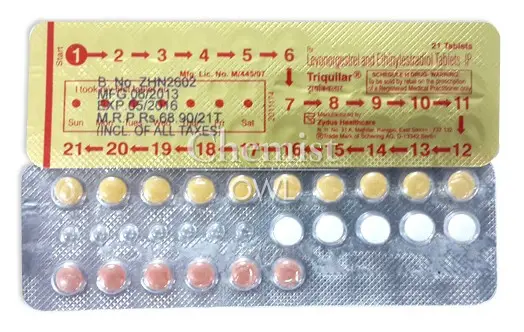
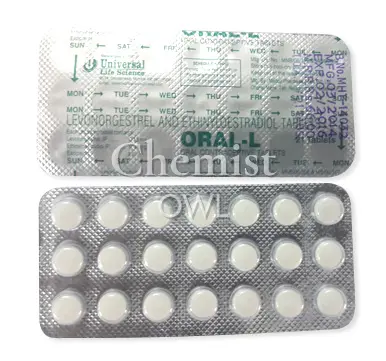
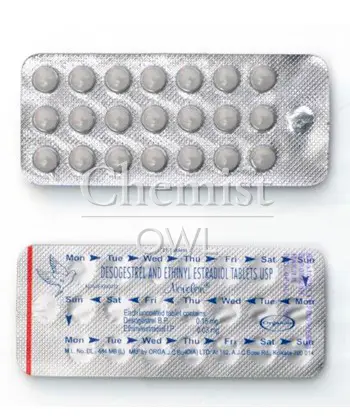
Products sold in this category encompass several types of formulations. Combined oral contraceptives contain both an estrogen and a progestin and are represented by well‑known names such as Alesse, Yasmin, Levlen, Desogen and Mircette in markets where those formulations are available. Progestin‑only pills and other progestin preparations are also commonly found. Emergency contraceptive tablets, for example Plan B (levonorgestrel), provide a short‑term option to reduce pregnancy risk after unprotected intercourse. Some hormonal agents that are sometimes prescribed in reproductive‑health contexts, such as Ovral, Diane‑35 and Duphaston, may appear in listings related to contraception or menstrual management, though their specific roles vary by product and local prescribing practices.
Safety considerations for contraceptive medicines are an important part of choosing a product. Users can expect a range of common, generally mild effects such as nausea, breast tenderness, spotting or changes in mood, while rarer but more serious risks have been associated with specific hormonal combinations. Contraceptive medicines may interact with other drugs and can be affected by factors such as smoking, age and certain medical conditions, which can influence suitability and effectiveness. Storage, correct dosing and awareness of the prescribed regimen contribute to safe use and to achieving intended outcomes.
When people shop for contraceptive medicines online they commonly compare effectiveness, dosing schedule, hormonal composition, and side‑effect profiles. Other frequent considerations include whether a product is a daily pill or a single‑use emergency option, prescription requirements, suitability for breastfeeding or for people with particular medical histories, and whether a generic or brand formulation is preferred. Many shoppers also check information about how to handle missed doses, common adverse effects and any known drug interactions associated with a product.
Purchasing contraceptives from an online pharmacy typically involves attention to legal and regulatory aspects, such as prescription status and product registration in the buyer’s country, as well as practical details like batch authenticity and expiry dates. Product packaging and the accompanying patient information leaflet are useful sources of standardized information about indications, dosing schedules and warnings. Listings may include both brand names and generic options, enabling users to compare formulations and presentation, while recognizing that availability can vary by market and regulatory framework.