📞  — free, 24/7
— free, 24/7 — free, 24/7| Package | Price per Dose | Price | |
|---|---|---|---|
| 360 pills | £0.88 | £397.84 £318.27 Free shipping | |
| 180 pills | £0.94 | £210.95 £168.76 Free shipping | |
| 120 pills | £1.01 | £151.48 £121.18 | |
| 90 pills | £1.10 | £123.16 £98.53 | |
| 60 pills | £1.23 | £92.02 £73.61 | |
| 30 pills | £1.38 | £52.37 £41.90 | |
| 270 pills | £1.01 | £339.79 £271.83 Free shipping | |
| 180 pills | £1.05 | £236.43 £189.15 Free shipping | |
| 120 pills | £1.14 | £171.30 £137.04 | |
| 90 pills | £1.22 | £137.32 £109.86 | |
| 60 pills | £1.39 | £104.76 £83.81 | |
| 30 pills | £1.70 | £63.70 £50.96 |
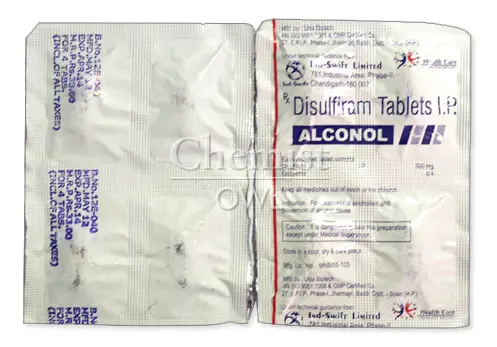
Antabuse is the brand name for disulfiram, a medicine used to support people who are trying to stop drinking alcohol. It is intended to be part of a broader treatment plan that includes support from healthcare professionals, counselling, and lifestyle changes.
The medicine is taken by mouth as a tablet and works by affecting how your body processes alcohol. When alcohol is consumed while taking Antabuse, you may experience unpleasant physical symptoms. The aim is to deter further drinking by making the consequences of alcohol consumption obvious and uncomfortable.
Antabuse should be prescribed and supervised by a clinician who can assess your medical history, current health, and drinking patterns. Depending on local rules, the medication may require a prescription. Always follow the instructions provided by your doctor and the patient information leaflet that comes with the medicine.
Antabuse is not a cure for alcohol dependence. It is a tool to support abstinence and should be used alongside other forms of treatment and support, such as counselling, social support, and regular medical review. If you have questions about whether Antabuse is right for you, discuss them with your GP or pharmacist.
Antabuse is used to help adults who are trying to maintain abstinence from alcoholic drinks. It can be prescribed as part of a structured treatment plan overseen by a clinician or hospital team. The goal is to reduce the risk of relapse by creating a deterrent to drinking.
It is important to understand that Antabuse does not eliminate cravings or cure alcohol dependence. Rather, it provides a physical reminder of the consequences of drinking. The decision to start Antabuse is typically made after an assessment of medical history, current health, and readiness to engage with a structured support program.
The medicine is intended to be used under medical supervision. Your clinician will review your progress regularly, discuss any side effects, and determine how long the treatment should continue. If your circumstances change, such as new medicines or health conditions, inform your healthcare team promptly.
In some cases, Antabuse may be used in combination with other pharmacological or behavioural treatments. You should not expect immediate results, and success depends on commitment to abstinence and participation in follow-up care. If you have questions about how Antabuse fits with your broader treatment plan, ask your clinician for clarification.
Disulfiram, the active ingredient in Antabuse, inhibits an enzyme called acetaldehyde dehydrogenase. This enzyme normally helps metabolise acetaldehyde, a byproduct of alcohol. When this enzyme is blocked, acetaldehyde builds up after alcohol is consumed.
The accumulation of acetaldehyde leads to a range of unpleasant symptoms, such as flushing, headache, nausea, vomiting, dizziness, palpitations, and faintness. The intensity and duration of these reactions can vary between individuals and depend on how much alcohol is ingested and the amount of disulfiram in the body.
The aim of this effect is to provide a clear, aversive consequence to drinking alcohol while you are taking Antabuse. It is not a reaction that can be triggered by medicines that do not contain alcohol, and it is not intended to affect people who have abstained from alcohol for a prolonged period.
It is important to recognise that Antabuse only works if you adhere to abstinence from alcohol. It does not stop the desire to drink, nor does it address other aspects of alcohol dependence. Regular medical check-ins help ensure the treatment remains appropriate for you.
Take Antabuse exactly as prescribed by your clinician. The tablets are swallowed with a drink of water and should be taken at roughly the same time each day to help you remember. Do not chew or crush the tablets unless your doctor tells you to.
You should not drink any alcoholic beverage while taking Antabuse. This includes beers, wines, spirits, and drinks that may contain alcohol as an ingredient, such as some mouthwashes, sauces, and cough syrups. If you are unsure about whether a product contains alcohol, ask your pharmacist for guidance.
If you miss a dose, do not double up. Resume taking the medicine as advised by your clinician. If you accidentally miss several days or need to adjust timing due to travel or illness, contact your healthcare team for instructions.
Do not stop Antabuse on your own unless advised by your doctor. If you plan surgery, a dental procedure, or any medical treatment, tell your healthcare provider that you are taking Antabuse. They can advise whether it should be paused or adjusted before the procedure.
Store the tablets as instructed on the packaging, away from moisture and heat. Keep them out of reach of children. If you have any concerns about taking Antabuse, or experience new or worsening symptoms, contact your clinician promptly for advice.
Antabuse is not suitable for everyone. Your clinician will consider your overall health, current medications, and any history of reactions to disulfiram or other medicines before starting treatment.
People with significant liver disease, kidney disease, or thyroid problems may need special assessment before taking Antabuse. If you have a history of heart problems, nerve disorders, or psychiatric conditions, discuss these with your doctor, as they may influence treatment decisions.
If you are pregnant, planning a pregnancy, or breastfeeding, you should not take Antabuse without a careful discussion with your clinician. The risks and benefits must be weighed for each individual situation by a healthcare professional.
Anyone who has used alcohol recently, or who continues to drink, should not start Antabuse without medical advice. Similarly, if you have a known allergy to disulfiram or any ingredient in the product, you should avoid using it.
The main warning with Antabuse is the risk of a severe reaction if alcohol is consumed while taking the medicine. Symptoms can be uncomfortable and may require medical attention. This risk applies to all alcohol-containing drinks as well as other products that contain alcohol.
You should avoid alcohol in all forms while using Antabuse. This includes beverages, cooking wines, certain sauces, medicines that contain alcohol, aftershaves, mouthwashes, and some hand sanitizers. If you are unsure whether something contains alcohol, check with your pharmacist or physician before using it.
Liver health should be monitored during Antabuse treatment. If you notice persistent yellowing of the skin or eyes, dark urine, pale stools, or unusual tiredness, contact your doctor promptly. Regular blood tests may be recommended by your clinician to check liver function.
Tell your doctor about all medicines you take and any supplements you use. Antabuse can interact with other drugs, and some combinations may require adjustments or closer monitoring. Do not start any new medicine without consulting your clinician.
If you experience mood changes, new feelings of depression, or thoughts of self-harm, seek medical help promptly. Any sudden changes in mood or behaviour during treatment should be discussed with a healthcare professional.
Most people tolerate Antabuse well, but like all medicines it can cause side effects. Some are mild and may fade with time, while others may require medical attention.
Common side effects include tiredness, drowsiness, headaches, skin rashes, or an abnormal taste in the mouth. These are usually mild and temporary, but should be reported to your clinician if they persist or worsen.
Occasional symptoms may indicate a more serious reaction, such as liver problems, severe skin reactions, or allergic reactions. Seek medical help urgently if you notice yellowing eyes or skin, dark urine, severe skin blistering, swelling of the face or throat, or trouble breathing.
Because Antabuse interacts with alcohol, many people experience flushing, nausea, or palpitations after drinking even small amounts. If you ever drink accidentally while on Antabuse, contact your clinician or seek medical assistance if symptoms are concerning or prolonged.
If you are unsure whether a symptom you experience is related to Antabuse, contact your pharmacist or doctor for advice. Do not ignore new or persistent symptoms, especially those affecting the liver, skin, or mood.
Antabuse can interact with certain medicines and products that contain alcohol or affect the way your liver processes drugs. It is important to tell your clinician about all medicines you take, including over-the-counter medicines, vitamins, and herbal products.
In general, avoid alcohol-containing products while taking Antabuse. This includes some mouthwashes, cough syrups, wine-based marinades, and other culinary ingredients that may carry small amounts of alcohol. If in doubt, ask your pharmacist to check for alcohol content.
Some medicines may require adjustments or closer monitoring when used with Antabuse. This is because the combination could increase side effects or change how either medicine works. Do not start or stop any other medicines without healthcare professional guidance.
If you are prescribed a medication that is known to interact with Antabuse, your clinician will discuss the risks and may propose a plan to manage the interaction. In case of any new medicines or changes to your treatment, contact your doctor promptly.
During treatment, avoid herbal supplements or other non-prescription products without verifying their safety with your pharmacist. Even seemingly harmless products can interact with Antabuse in unexpected ways.
Pregnancy requires careful consideration of benefits and risks. Antabuse may not be recommended for people who are pregnant or trying to become pregnant without a clear medical justification. If pregnancy is planned or suspected, talk to your clinician promptly to discuss options and safety.
Breastfeeding while taking Antabuse is generally not advised unless specifically discussed with a clinician. The medicine can pass into breast milk and may affect a baby. If breastfeeding is necessary, your doctor will discuss potential alternatives or adjustments to your treatment plan.
Your clinician can provide personalised advice based on your health history and current treatment. If you are pregnant or breastfeeding and considering Antabuse, seek guidance from a healthcare professional before continuing treatment.
If you are planning a family or have questions about pregnancy, contraception, or family planning while using Antabuse, speak with your healthcare provider to ensure safe choices for you and your baby.
Antabuse works by deterring drinking after alcohol is consumed. The deterrent effect begins as soon as you take the medicine and consume alcohol. The exact experience varies from person to person, depending on how much alcohol is ingested and individual sensitivity. If you have questions about what to expect, discuss them with your clinician for personalised information.
If you miss a dose, do not double up to catch up. Resume taking the medicine as advised by your clinician. If you frequently forget doses, speak with your healthcare team about ways to help you remember, such as tying the tablet to a daily routine or using reminders.
Drinking alcohol while taking Antabuse is not advised. Even small amounts of alcohol can trigger adverse reactions, which can be uncomfortable and may require medical attention. If you are unsure whether a product contains alcohol, ask your pharmacist to check before use.
Yes, Antabuse can be part of a broader treatment strategy that includes counselling, behavioural therapies, and support groups. Your clinician will tailor your plan to your needs and may combine Antabuse with other medications or approaches when appropriate. Regular follow-up helps ensure the plan remains suitable.
If you drink alcohol while taking Antabuse, you may experience symptoms such as flushing, headache, nausea, or other reaction symptoms. Seek medical advice if the reaction is severe or lasts a long time. Contact your clinician to review the situation and determine next steps in your treatment plan.
Yes. Some foods, sauces, medicines, and personal care products may contain small amounts of alcohol. Always read ingredient labels and ask your pharmacist if you are unsure. Your clinician can provide a list of common products to avoid or use with caution.
The duration of treatment is determined by your clinician based on your health, response to therapy, and ongoing abstinence goals. Some people may use Antabuse for a period of months, while others may continue longer under medical supervision. Regular reviews help decide on continuing or stopping treatment.
You should not stop Antabuse abruptly without discussing it with your doctor. Stopping treatment suddenly may be appropriate in some cases, but a clinician will advise on the safest approach. If you want to stop, arrange a plan with your healthcare provider to do so responsibly.
Antabuse supports abstinence as part of a comprehensive treatment plan but does not cure alcohol dependence by itself. Ongoing support, therapy, and lifestyle changes are important. If you have questions about the role of Antabuse in your recovery, talk to your clinician.
Report any persistent or concerning side effects to your clinician. They can assess whether the side effects are related to Antabuse and whether treatment should continue, be adjusted, or stopped. Seek urgent help if you experience severe symptoms such as signs of liver trouble or severe allergic reactions.
The availability of Antabuse may depend on local rules. In some places it may require a prescription, while in others pharmacists can provide access under clinical guidance. Check with your local pharmacy or clinician for the exact requirement in your area.
Official product information and patient leaflets for disulfiram (Antabuse) provided by healthcare regulators and manufacturers. These documents explain how the medicine should be used, potential side effects, and safety considerations in detail.
National guidance on the management of alcohol dependence and the role of pharmacological aids. This information helps patients understand how Antabuse fits within a broader treatment plan and the importance of ongoing support and medical supervision.
Professional medical references and pharmacist resources that describe interactions with other medicines, alcohol-containing products, and the need for medical review during treatment. Always consult a healthcare professional for personalised advice based on your health needs.
14–21 days. Free from £151.02 .
5–9 days. £22.65
−10% when paying with cryptocurrency.
−10% on all repeat orders.
All orders are packed in neutral, unbranded boxes with no product name on the outside.