📞  — free, 24/7
— free, 24/7 — free, 24/7Products for prevention and treatment of fungal infections affecting skin, nails and mucous membranes. Includes topical creams, sprays and powders, medicated shampoos, oral antifungal tablets and nail solutions for conditions like athlete’s foot, ringworm and yeast infections. Products may be topical or oral and address skin, nail or mucosal infections in adults and children; includes prescription and over-the-counter options.
Products for prevention and treatment of fungal infections affecting skin, nails and mucous membranes. Includes topical creams, sprays and powders, medicated shampoos, oral antifungal tablets and nail solutions for conditions like athlete’s foot, ringworm and yeast infections. Products may be topical or oral and address skin, nail or mucosal infections in adults and children; includes prescription and over-the-counter options.
Antifungal medications are a group of drugs designed to treat fungal infections that affect the skin, nails, mucous membranes and, in some cases, internal organs. Fungi are a different type of organism than bacteria or viruses, and antifungals work by targeting fungal cells in ways that reduce growth or kill the organism outright. The category includes products formulated for external application as well as systemic treatments taken by mouth or given intravenously, reflecting the varied nature and severity of fungal conditions.
Common use cases include athlete’s foot, ringworm, jock itch, yeast infections of the mouth or genitals, fungal nail infections, dandruff and certain scalp conditions. More serious or invasive fungal illnesses can affect internal organs and typically require systemic therapy under medical supervision. Over-the-counter options tend to address mild skin and scalp infections, while prescription medicines are usually used for persistent, widespread or deep-seated infections that need a longer course of treatment.
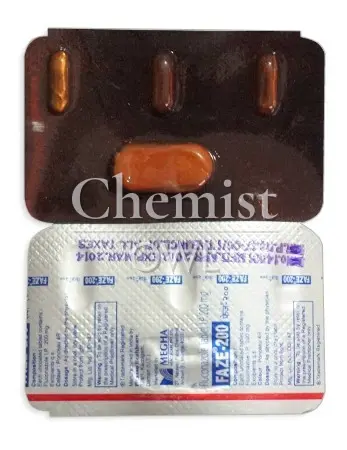
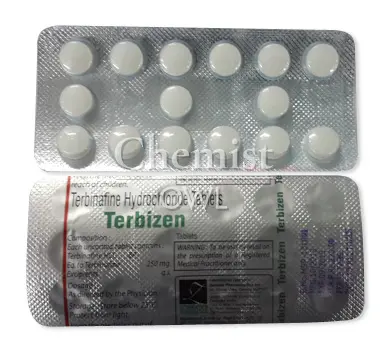
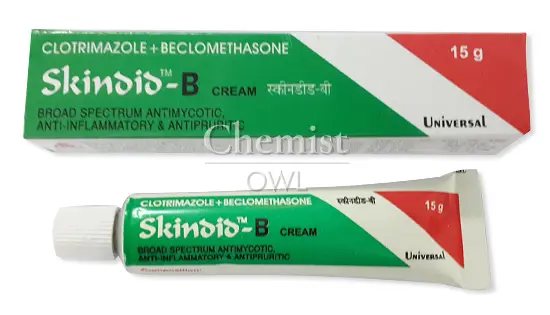
Medications in this category come in a range of types and dosage forms. Topical creams, ointments, gels and shampoos are often used for localized skin or scalp complaints, while oral tablets and capsules treat infections that are more extensive or involve hair follicles and nails. Intravenous formulations exist for severe systemic infections. Examples of commonly known agents include azole antifungals and allylamines, represented by familiar names available in both topical and systemic formulations, as well as older agents used specifically for certain fungal species.
General safety considerations for antifungal medicines include awareness of potential side effects, interactions with other medications, and the need to follow product labeling. Side effects vary by drug and route of administration; topical products commonly cause local skin irritation in some users, whereas oral or intravenous agents can be associated with systemic effects and may require monitoring in specific circumstances. Some medicines have known interactions with other drugs or with underlying health conditions, so labeling and professional information usually outline precautions and contraindications.
When choosing an antifungal product, consumers commonly consider the location and severity of the infection, the formulation that will be easiest to use, expected duration of therapy, and whether a prescription is required. People also look at whether a product is targeted for skin, scalp or nail use, whether a shampoo or cream is more appropriate for the affected area, and whether a one-time dose or a multi-week treatment course is typical for the condition being treated. Ease of application, dosing frequency and known tolerability can influence choice as well.
Packaging and product information typically describe the active ingredient, the dosage form and basic warnings so users can compare options. Some antifungal drugs are available without a prescription for common superficial infections, while others require approval from a healthcare professional. For more complex or persistent infections, treatment selection often reflects the specific fungus involved, the site of infection and individual health considerations, which is why product labels and professional guidance are commonly consulted alongside consumer preferences.