📞  — free, 24/7
— free, 24/7 — free, 24/7Medications used to prevent and treat parasitic infections in humans, including oral and topical agents for intestinal worms, protozoa, lice, scabies and other ectoparasites. Products range from prescription therapies to over-the-counter formulations, with instructions and safety information.
Medications used to prevent and treat parasitic infections in humans, including oral and topical agents for intestinal worms, protozoa, lice, scabies and other ectoparasites. Products range from prescription therapies to over-the-counter formulations, with instructions and safety information.
Antiparasitic medicines are drugs designed to treat infections caused by organisms that live on or inside the human body and derive nutrients at the host’s expense. This category covers products that act against a variety of parasites, including single-celled organisms (protozoa), intestinal and tissue worms (helminths), and external parasites such as mites and lice. The aim of these treatments is to eliminate or inhibit the parasite and reduce the symptoms and complications associated with the infection.
Common situations in which antiparasitic medicines are used include intestinal worm infestations, protozoal gastrointestinal infections, and infestations of the skin or hair by external parasites. Examples of conditions addressed with these agents are infections that cause diarrhea and gastrointestinal upset, systemic infections caused by parasitic larvae, and surface infestations that lead to itching or skin irritation. Use patterns vary widely depending on the type of parasite, from single-dose regimens to longer courses of therapy.
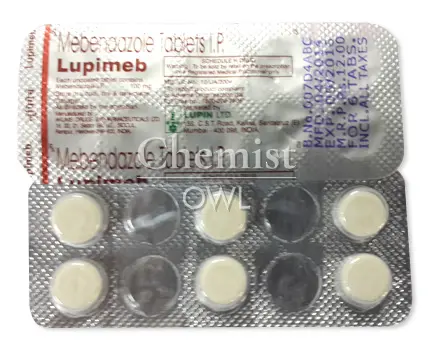
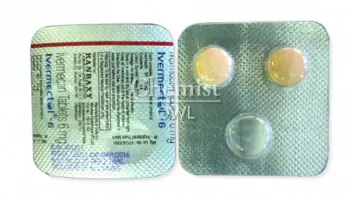
The category contains several different classes of medications, each targeting particular kinds of parasites or life stages. Anthelmintics such as albendazole and mebendazole work against many intestinal worms, while drugs like praziquantel are effective for certain tapeworms and flukes. Ivermectin is used against a range of parasites including some tissue-dwelling worms and external infestations, and nitroimidazole compounds such as tinidazole act against many protozoal infections. Topical agents and permethrin-containing preparations address scabies and lice on the skin and scalp.
Safety considerations are an important part of selecting an antiparasitic medicine. Side effects vary by drug class and can include gastrointestinal symptoms, headache, dizziness, or changes detectable in blood tests; more serious reactions are less common but possible. Some antiparasitic agents have specific warnings related to pregnancy, liver function, or interactions with other medications. In many regions these medicines are dispensed by prescription so that clinicians can match the drug to the diagnosed parasite, dose appropriately, and monitor for adverse effects.
When choosing an antiparasitic product, consumers typically look at the spectrum of activity (which parasites the medicine treats), the route of administration (oral tablet, topical cream, or lotion), duration and convenience of the regimen, age-appropriate formulations for children, and the known side-effect profile. Additional considerations include whether testing or follow-up is recommended to confirm eradication, and whether a single dose or a course of treatment is required to address the infection effectively.
In the online pharmacy setting, product listings generally provide information on active ingredient, common uses, dosing forms, and regulatory status. Availability may depend on local rules and many effective antiparasitic medicines are provided through prescription channels. Product pages often include patient information leaflets and package details to help users understand indications and precautions; verifiable dispensing and clear labeling are useful when comparing treatment options for different parasitic infections.