📞  — free, 24/7
— free, 24/7 — free, 24/7Care and relief options for osteoarthritis, rheumatoid arthritis and other joint conditions: over-the-counter and prescription pain relievers, topical creams and gels, joint-support supplements, braces and supports, heat/cold therapies and mobility aids designed to reduce pain and improve function.
Care and relief options for osteoarthritis, rheumatoid arthritis and other joint conditions: over-the-counter and prescription pain relievers, topical creams and gels, joint-support supplements, braces and supports, heat/cold therapies and mobility aids designed to reduce pain and improve function.
Arthritis describes a group of conditions that affect the joints and surrounding tissues, producing symptoms such as pain, stiffness, swelling and reduced range of motion. These conditions range from degenerative changes associated with wear and tear to inflammatory and crystal-related disorders, and they can be episodic or persistent. Medicines in the arthritis category are intended to relieve symptoms, reduce inflammation, manage flares and, in some cases, slow disease progression.
People commonly seek arthritis medicines for different clinical situations: short-term relief of acute pain or flares, control of ongoing inflammatory activity, prevention of recurrent attacks (as in gout), and long-term disease modification where joint damage is a risk. Osteoarthritis, rheumatoid arthritis, gout and spondyloarthritis represent typical scenarios where specific classes of drugs are chosen according to symptom pattern, severity and the underlying mechanism of disease.
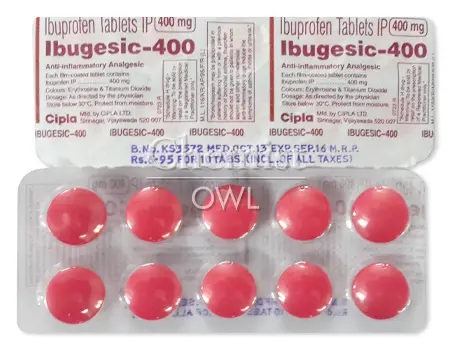
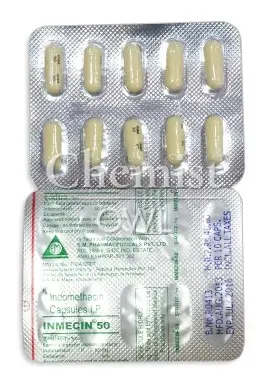
Non‑steroidal anti‑inflammatory drugs (NSAIDs) and analgesics are among the most frequently used options for symptomatic relief. Examples that are well known in this area include ibuprofen (often seen as Motrin), naproxen formulations such as Naprosyn or Anaprox, meloxicam (Mobic), piroxicam (Feldene) and indomethacin (Indocin). These medicines aim to reduce pain and inflammation and are available in different formulations with varying durations of action, which influences how they are used in practice.
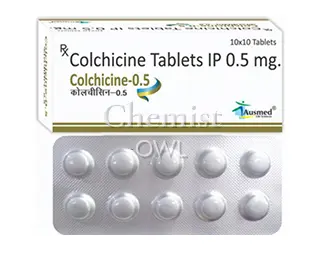
Gout-specific therapies and agents for acute flares form another subgroup. Colchicine (Colcrys) is commonly used for short-term control of gout flares, while urate‑lowering drugs such as allopurinol (Zyloprim) are used to reduce long-term uric acid levels and help prevent recurrent attacks. The distinct roles of these medicines—immediate symptom control versus long‑term management—mean they are selected and combined according to the clinical context.
Medications that modify underlying immune activity are used for inflammatory and autoimmune types of arthritis. Conventional immunosuppressants and disease‑modifying antirheumatic drugs (DMARDs) include agents such as ciclosporin (Neoral), while newer targeted therapies such as baricitinib (Olumiant) act on specific molecular pathways. Corticosteroids like dexamethasone (Dexone) are another tool for reducing inflammation quickly, typically in short courses or as injections for specific joints.
Safety considerations and practical factors play a central role in choosing an arthritis medicine. Common concerns include gastrointestinal, cardiovascular and renal effects with some NSAIDs, potential immune suppression or laboratory abnormalities with DMARDs and monitoring needs for certain long‑term therapies. People often weigh speed of onset, expected duration of effect, route of administration (oral, injectable or topical), side‑effect profile and the need for laboratory monitoring or specialist oversight when comparing options. Selection and ongoing management are typically performed by healthcare professionals who consider these factors together with a person’s medical history and other medications.