📞  — free, 24/7
— free, 24/7 — free, 24/7Products for muscle growth, strength and recovery such as protein powders, creatine, BCAAs, pre-workout mixes, performance supplements, recovery aids and joint support. Clear ingredient, dosage and safety information to support informed, responsible use.
Products for muscle growth, strength and recovery such as protein powders, creatine, BCAAs, pre-workout mixes, performance supplements, recovery aids and joint support. Clear ingredient, dosage and safety information to support informed, responsible use.
The Bodybuilding category covers medications and related pharmacological products that are commonly discussed or used in the context of muscle building, strength enhancement, body composition changes, and hormonal manipulation. This category brings together therapies that affect anabolic and androgenic pathways, influence estrogen activity, or impact the hormonal feedback systems that regulate natural testosterone production. Items here are intended to describe drug classes and formulations rather than endorse nonmedical use.
Common use cases associated with these products include therapeutic treatment of clinically diagnosed hormone deficiencies, management of specific medical conditions that affect muscle mass or libido, and use in post-treatment recovery of hormonal function. Outside approved medical indications, some of these medicines are sought by athletes and recreational lifters for short-term increases in muscle size, strength, or training recovery. Discussion in this category therefore spans both legitimate clinical use and patterns of non-prescribed use observed in sports and bodybuilding communities.
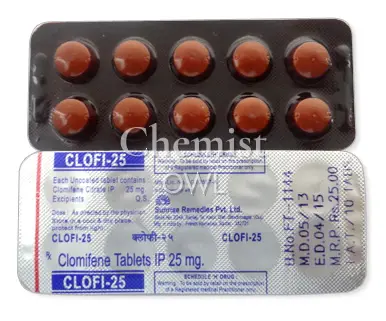
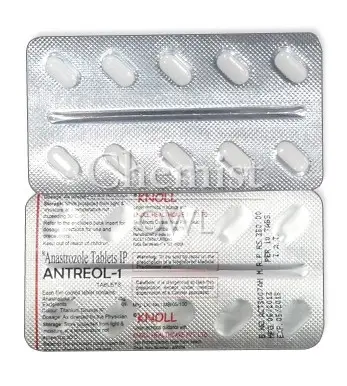
The medicines typically found in this section fall into several pharmacological groups. Topical and injectable testosterone preparations such as gels and replacement formulations may be represented by products like AndroGel or agents similar in purpose to Androxal. Drugs that reduce aromatase activity and lower estrogen formation include aromatase inhibitors, with examples such as Arimidex or generics sometimes referred to by names like Armotraz. Selective estrogen receptor modulators (SERMs) such as clomiphene (seen under names like Clomid or Serophene) and tamoxifen (Nolvadex) are commonly mentioned in discussions of hormonal modulation and recovery. Other agents with androgenic or hormonal effects, for instance danazol (Danocrine), may also appear due to their historical or niche use.
Formulations in this category vary by route of administration and intended effect. Products can be topical (gels, creams), oral tablets, or injectables, and dosing regimens differ significantly depending on therapeutic goals. In medical settings these medicines are prescribed with specific dosing and monitoring plans; in nonmedical contexts users often discuss cycle lengths, combinations, and sequencing for purposes such as minimizing estrogenic effects or attempting to restore natural hormone production after a course of androgenic agents. The presence of prescription-only products means accessibility and legal status differ by jurisdiction.
Safety and regulatory considerations are prominent topics for this category. Many of these medications carry potential adverse effects affecting cardiovascular, liver, endocrine, and reproductive systems, and their use is regulated in most countries. Quality, authenticity, and correct formulation are important because counterfeit or adulterated products can pose significant health risks. Laboratory monitoring and awareness of contraindications and interactions are commonly referenced concerns among people researching these medicines, reflecting their complex risk profiles.
When people search within this category they typically look for information about the type of hormonal effect a product produces (for example, androgenic vs estrogen-blocking), the route of administration, expected duration of action, and safety considerations such as known side effects and regulatory status. Interest also commonly centers on agents used for post-treatment hormonal recovery, choices between oral versus topical forms, and comparisons of tolerability. Descriptions aim to be factual so consumers can understand the pharmacological purpose and typical contexts in which these medicines are discussed.