📞  — free, 24/7
— free, 24/7 — free, 24/7Medications and treatments for erectile dysfunction—prescription oral drugs, topical options, injectable therapies, vacuum erection devices, and diagnostic aids. Information on causes, dosing, side effects, interactions, and safety guidance for people experiencing difficulty achieving or maintaining erections.
Medications and treatments for erectile dysfunction—prescription oral drugs, topical options, injectable therapies, vacuum erection devices, and diagnostic aids. Information on causes, dosing, side effects, interactions, and safety guidance for people experiencing difficulty achieving or maintaining erections.
Erectile Dysfunction covers medications used to help men who have difficulty achieving or maintaining an erection sufficient for sexual activity. The most common drug class found here is phosphodiesterase type 5 (PDE5) inhibitors, which have been developed to improve the blood flow mechanism involved in erection. Products in this category range from original brand-name tablets to generic equivalents and combination formulations that address related sexual function concerns. Information presented focuses on the types of therapies available, how they are typically used, and what influences choice, rather than personal medical recommendations.
These medicines are commonly taken when a person expects to be sexually active and wants assistance with erection. Some agents are marketed for occasional use shortly before sex, while others are available in lower daily doses intended for more spontaneous activity or additional indications beyond erectile function. Response to a given medicine varies by individual; factors such as onset time, how long effects last, and side-effect profiles differ among products and influence how people plan their use.
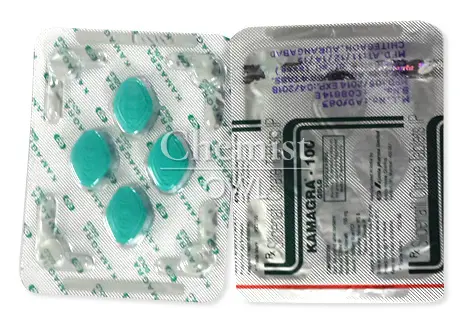
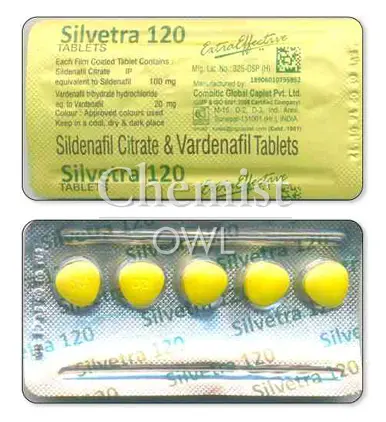
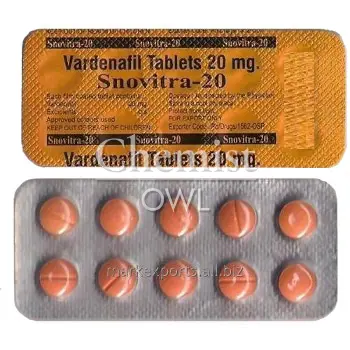
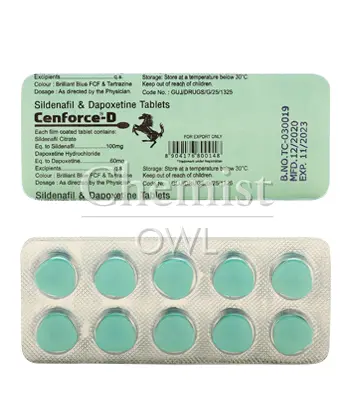
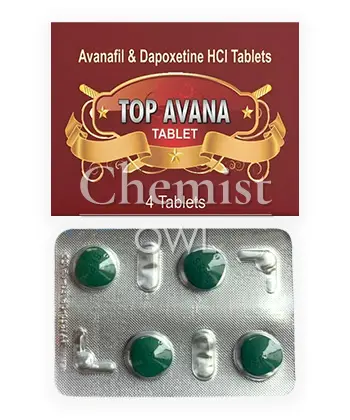
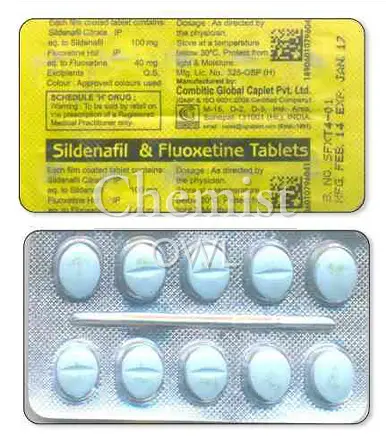
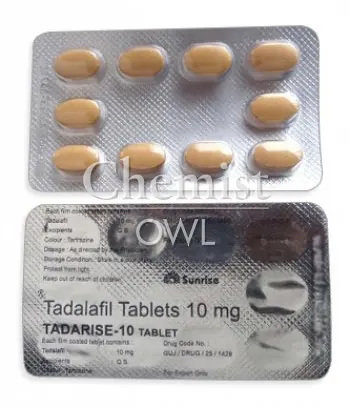
Typical drugs in this category include well-known names such as sildenafil (often seen as Viagra or generics and forms like Kamagra), tadalafil (Cialis and related generics), vardenafil (Levitra and variants), and avanafil (Stendra and similar). The market also includes combination products that pair a PDE5 inhibitor with agents used for premature ejaculation (for example, formulations that include dapoxetine) and a variety of formulations such as traditional tablets, fast-dissolving or sublingual sprays, and oral jelly preparations. Examples of these formulations appear across multiple product lines, reflecting different preferences for ease of swallowing, speed of onset, or local availability.
How people use these products tends to depend on desired timing and lifestyle. On-demand options are selected by those who prefer to take a single dose in advance of sexual activity, while daily regimens appeal to those who want more flexibility and frequent sexual activity without timing each encounter. Different active ingredients are associated with shorter or longer durations of action: some are chosen for their relatively rapid onset, others for a longer window of effect. Formulation differences—tablet, jelly, or spray—can also shape user experience and practicality.
General safety considerations are an important part of evaluating any medication in this category. Commonly reported side effects include headache, flushing, nasal congestion, indigestion, and visual changes; more rarely, prolonged erections or other serious reactions can occur. Interactions with certain cardiovascular drugs and other medicines are noted in safety information associated with these products. Suitability and dosing can vary depending on underlying health conditions and other treatments a person may be taking. Regulatory status and guidance differ by region, and product labels and prescribing information contain detailed safety content specific to each medicine.
When choosing among options, people typically weigh factors such as how quickly a medicine starts to work, how long its effects last, the likelihood and type of side effects, convenience of formulation, and whether a product addresses more than one sexual concern (for example, combined therapies for premature ejaculation). Cost, availability, the presence of a known generic equivalent, and product reputation also influence decisions. Local regulations determine whether a prescription is required and how products can be obtained, so purchasing pathways differ across markets.