📞  — free, 24/7
— free, 24/7 — free, 24/7Eye care liquids for lubrication, allergy and redness relief, and medicated treatments. Includes artificial tears, preservative-free formulas, antihistamine and anti-inflammatory drops, antibiotic and glaucoma medications where prescribed, plus guidance on usage and compatibility.
Eye care liquids for lubrication, allergy and redness relief, and medicated treatments. Includes artificial tears, preservative-free formulas, antihistamine and anti-inflammatory drops, antibiotic and glaucoma medications where prescribed, plus guidance on usage and compatibility.
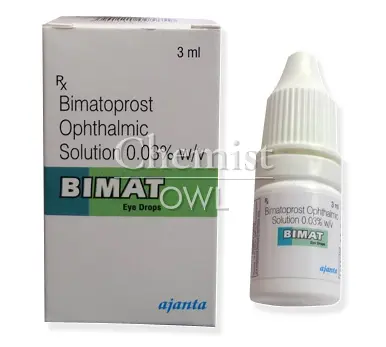
Topical ophthalmic solutions and suspensions applied to the eye surface are used to manage a wide range of ocular conditions. These liquid preparations can deliver active molecules directly to the eye tissues where they act locally, and they come in different forms such as preservative-free single-use vials, multi-dose bottles, and products with applicators. Examples of well-known ophthalmic preparations include prostaglandin analogs and glaucoma agents such as latanoprost (Xalatan) and bimatoprost formulations, as well as topical beta-blockers like timolol (Timoptic) and diagnostic mydriatics such as cyclopentolate (Cyclogyl).
Common uses for eye drops span symptom relief, disease management and diagnostic procedures. Many people use lubricating drops for dryness and over-the-counter antihistamine drops for allergic redness and itch. Prescription drops are frequently used to lower intraocular pressure in glaucoma, to dilate pupils for eye examinations, to treat bacterial or inflammatory eye conditions, and to support healing after surgery. Certain agents may also be used cosmetically to influence eyelash appearance, while others are intended for short-term diagnostic or procedural use.
Different classes of medications are represented in this group, reflecting their specific actions. Prostaglandin analogs (for example bimatoprost, latanoprost) increase fluid drainage to reduce eye pressure, beta-adrenergic blockers (timolol) reduce aqueous production, and anticholinergic agents (cyclopentolate) dilate the pupil. There are also antibiotic drops, steroid and antibiotic combination products for infection and inflammation, antihistamine/mast cell stabilizers for allergy, and a wide range of lubricants and tear-replacement formulations. Packaging and concentration vary according to purpose and formulation.
Safety and proper handling are central to effective use: eye drops are sterile products and their sterility must be maintained to avoid contamination. Preservatives commonly used in multi-dose bottles can affect tolerability for people with sensitive eyes, while preservative-free single-dose units reduce that exposure. Adverse effects vary by active ingredient and may include local irritation, temporary blurring of vision, changes in eye color or eyelash growth (with some prostaglandin analogs), or systemic effects in susceptible individuals. Label information and product indications identify intended use, recommended age groups, and cautions related to coexisting conditions or other medications.
Practical features often guide consumer choice when selecting a product. Important considerations include the active ingredient and its concentration, whether the formulation is preservative-free, the delivery system (single-use vial versus multi-dose bottle or applicator), and whether the product is licensed for the intended age group or condition. For long-term therapies, metered-dose devices that control drop size and provide dosing information can improve convenience, while single-use containers often appeal to those seeking minimal preservative exposure.
Packaging, labeling and instructions explain how a product is supplied and what the manufacturer specifies for storage and handling. Some products are supplied with applicators to aid accurate administration, and descriptions will note whether drops are intended for short-term use, ongoing maintenance or diagnostic procedures. Choice and use of an ophthalmic medication are determined by diagnosis, formulation characteristics and intended effect, and consumers commonly compare these factors when considering different options.