📞  — free, 24/7
— free, 24/7 — free, 24/7Products for prevention and treatment of hair thinning and loss, including topical and oral medications, medicated shampoos and scalp treatments, nutritional supplements, concealing fibers and low-level light devices, plus supportive scalp care and hair-strengthening formulas.
Products for prevention and treatment of hair thinning and loss, including topical and oral medications, medicated shampoos and scalp treatments, nutritional supplements, concealing fibers and low-level light devices, plus supportive scalp care and hair-strengthening formulas.
Medications for hair loss are a group of treatments aimed at reducing hair thinning, slowing progression of balding and encouraging regrowth where possible. They target different underlying processes that cause hair to thin, such as hormonal influences, shrinking of hair follicles, or disturbances in the normal hair growth cycle. Products in this category range from topical solutions applied to the scalp to oral tablets that affect hormone-related pathways.
Common use cases involve male and female pattern hair loss, also called androgenetic alopecia, which is the most frequent reason people seek treatment. Other situations where these medicines can play a role include chronic thinning after illness or stress, and certain patchy hair loss conditions, although treatment approaches vary depending on the diagnosis and cause. Expectations and likely outcomes differ between types of hair loss and between individuals.
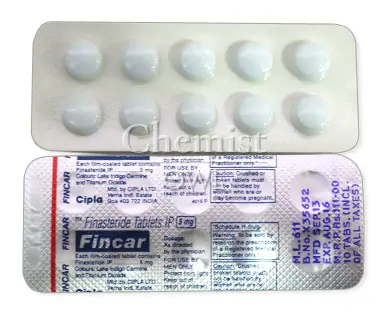
This category includes several types of medications. Topical vasodilators such as minoxidil (for example, preparations often known by the name Rogaine) are applied to the scalp to promote follicle activity. Oral 5-alpha-reductase inhibitors, including finasteride and related formulations (seen under names such as Propecia, Proscar, finpecia, fincar) and dutasteride (sold under names like Avodart or Dutas), act on hormonal pathways that contribute to hereditary hair thinning. A variety of generic and branded formulations, different strengths and delivery methods are commonly available.
How these medicines are commonly used depends on the product. Topical solutions and foams are applied directly to the scalp, while pills are swallowed and work systemically. Results are usually gradual; many users observe changes only after several months of continuous use, and maintenance treatment is often needed to preserve benefits. Different formulations may be chosen for convenience, scalp sensitivity, or to target particular areas of thinning.
Safety considerations are an important part of choosing a hair loss treatment. Oral hormonal agents can have systemic effects and are associated with side effects that some users find significant. Topical products may cause local reactions such as scalp irritation or unwanted hair growth outside the treated area. Some medications are not suitable for certain populations or situations, and interactions with other treatments are possible. Packaging and product literature typically summarize common adverse effects and regulatory status.
When people compare options they usually look at how effective a medicine is for their type of hair loss, the time it takes to see results, the method of application, side effect profiles and whether a product requires a prescription or is available over the counter. Other practical considerations include formulation (liquid, foam, tablet), frequency of use, availability of generics versus branded versions, and alignment with any other ongoing treatments. Reviewing objective evidence about outcomes and reading product information helps users understand what to expect from different hair loss medicines.