📞  — free, 24/7
— free, 24/7 — free, 24/7Hormone medications and therapies that replace, regulate or supplement the body's natural hormones. Includes thyroid medicines, insulin and other diabetes hormones, contraceptive and menopausal treatments, and topical or systemic hormone prescriptions, used under medical supervision.
Hormone medications and therapies that replace, regulate or supplement the body's natural hormones. Includes thyroid medicines, insulin and other diabetes hormones, contraceptive and menopausal treatments, and topical or systemic hormone prescriptions, used under medical supervision.
Hormones are chemical messengers produced naturally in the body that help regulate growth, metabolism, reproduction, fluid balance and immune responses. The "Hormones" category on an online pharmacy generally contains medications that replace, mimic, enhance or suppress these natural signals. Some products are straightforward hormone replacements that restore levels that are too low, while others modify hormone-driven processes to reduce symptoms or control disease. The list of medications covers a range of hormone systems rather than a single condition, so items in this section may look and act quite differently from one another.
Common use cases for these medicines include replacing deficient hormones, reducing inflammation and immune activity, correcting salt and water balance, and managing hormonal imbalances that affect reproductive or metabolic function. Thyroid preparations are often used to address underactive thyroid function, corticosteroids are prescribed for inflammatory and autoimmune conditions, and mineralocorticoid agents support patients who have trouble maintaining normal blood pressure or salt balance. Some agents are used to suppress excessive hormone production or to manage complications that arise from endocrine disorders.
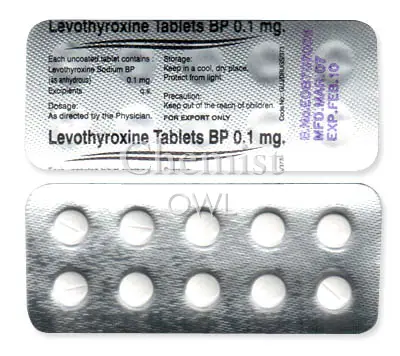
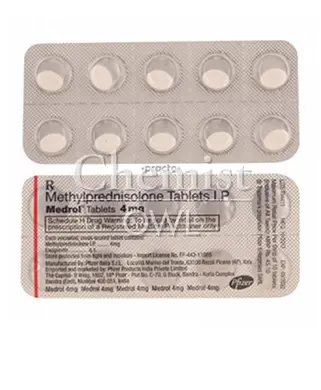
Medications found in this category span several classes. Thyroid hormones such as levothyroxine and liothyronine are commonly available in oral formulations and are used to restore normal thyroid activity. Corticosteroids like prednisolone and methylprednisolone are used for their potent anti-inflammatory and immunosuppressive effects. Mineralocorticoid agents such as fludrocortisone help retain sodium and water when needed. Other products include dopamine agonists used to alter pituitary hormone secretion, vitamin D analogues for bone and mineral metabolism, and some related agents that affect systems under hormonal control.
Because these medicines act on fundamental regulatory systems, they often require careful use and monitoring. Therapeutic effects may take time to develop, and dose adjustments are commonly guided by laboratory tests or clinical response. Some hormones and hormone-like drugs can cause side effects when levels are too high or change too rapidly, and a sudden stop in certain medications can also be problematic. Interactions with other medicines, as well as considerations such as pregnancy, age and pre-existing medical conditions, influence how these products are prescribed and used.
When people shop for hormonal medicines they typically look for the right active ingredient and the formulation that matches their treatment plan, for example immediate-release versus long-acting forms or tablets versus injectables. Many consumers check whether a product is a commonly prescribed generic or a familiar name, and they often want clear information about dosing frequency, packaging, storage conditions, and how the medicine should be administered. Prescription status is another practical consideration, as most hormonal therapies require oversight by a healthcare professional.
Safety and reliable supply are priorities for users selecting treatments in this area. Packaging with clear labeling, access to patient information leaflets, and consistency between batches are important for ongoing therapy. Consumers also tend to value options that simplify adherence, such as convenient once-daily dosing or formulations that are stable at room temperature when appropriate. Because these medicines frequently form part of long-term treatment plans, availability of compatible strengths and the ability to check for known interactions or contraindications matter when deciding which product to choose.