📞  — free, 24/7
— free, 24/7 — free, 24/7Products to prevent and treat nausea, dizziness and vomiting from travel by car, boat or plane. Includes oral antihistamines, scopolamine patches, acupressure bands and natural options such as ginger, plus dosing guidance and formulations for adults and children.
Products to prevent and treat nausea, dizziness and vomiting from travel by car, boat or plane. Includes oral antihistamines, scopolamine patches, acupressure bands and natural options such as ginger, plus dosing guidance and formulations for adults and children.
Motion sickness refers to the unpleasant set of symptoms that some people experience when their inner ear and visual signals disagree about motion. Common sensations include queasiness, light-headedness, sweating, and sometimes vomiting; these can occur during travel by car, boat, airplane, train, or on amusement park rides and virtual-reality experiences. Medications marketed for motion sickness are designed either to prevent these symptoms before they start or to reduce them once they appear, and are often used for short periods tied to travel or specific activities that trigger symptoms.
People use motion sickness medicines in a variety of everyday situations. Many travelers take a dose before departure to avoid symptoms during a flight or a ferry crossing, while others use chewable or rapidly acting options when symptoms begin during a trip. Some users rely on patches or long-acting formulations for multi-day journeys. Motion sickness products are commonly chosen by parents managing children’s travel sickness, commuters on winding routes, sailors, pilots and passengers on small aircraft, and by anyone who becomes uncomfortable during virtual-reality use or on certain amusement rides.
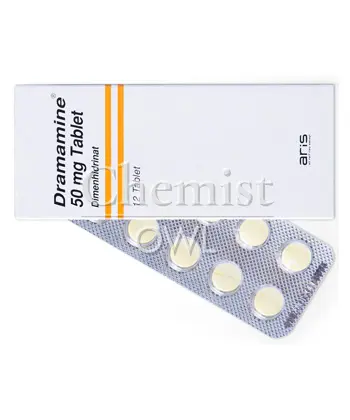
Medications in this area are mainly antihistamines with anticholinergic activity and antimuscarinic agents. Well-known examples include meclizine (often familiar under the name Antivert in some markets), dimenhydrinate (commonly known as Dramamine), and cinnarizine (frequently referred to as Stugeron in regions where it is available). Scopolamine, delivered via a transdermal patch, acts differently and is intended for longer-lasting prevention, particularly for sea sickness. Formulations come in tablets, chewables, liquids, dissolving strips, and patches to suit different ages and situations.
General safety considerations focus on side effects and interactions. Sedation and drowsiness are common with many motion sickness medicines, as are dry mouth, blurred vision and occasional dizziness or constipation; these effects can increase the risk of impaired coordination or falls, especially in older adults. Alcohol and other central nervous system depressants can intensify drowsiness. Product labeling often highlights specific health conditions, age limits and interactions to consider, and many preparations have different recommendations for children, pregnant people or those with certain chronic illnesses.
When choosing a motion sickness product, users typically weigh onset of action, duration, and unwanted effects. Some prefer fast-acting chewables or liquids for immediate relief, while others opt for longer-acting tablets or patches that provide multi-day coverage. Non-drowsy formulations are attractive for people who need to remain alert, whereas patches and long-acting agents appeal to those on extended journeys. Ease of use—such as whether a child-friendly form is available—and whether a product is suitable for occasional versus repeated use are also important considerations.
Beyond medication, many people combine pharmacological options with behavioral measures to reduce symptoms: sitting where motion is least felt (front seat of a car, over the wings on a plane, center of a boat), facing forward, keeping the eyes fixed on the horizon, getting fresh air, and avoiding heavy or greasy meals before travel. Over-the-counter remedies and physical supports such as acupressure bands are also commonly used alongside conventional medicines. Product labels and package information provide guidance on intended use, age ranges and warnings that help users select the most appropriate option for their situation.