📞  — free, 24/7
— free, 24/7 — free, 24/7Everyday and therapeutic skincare products for face and body: cleansers, moisturizers, sunscreens, serums, acne treatments, anti-aging creams, ointments, lip care and items for sensitive or problem skin. Includes medicated and dermatologist-formulated options.
Everyday and therapeutic skincare products for face and body: cleansers, moisturizers, sunscreens, serums, acne treatments, anti-aging creams, ointments, lip care and items for sensitive or problem skin. Includes medicated and dermatologist-formulated options.
Skincare medicines cover a broad group of topical and systemic products designed to prevent, reduce, or treat disorders of the skin, hair and nails. These preparations arise from a variety of pharmacological classes and are intended for conditions ranging from common, self-limited problems such as acne, warts and fungal infections to longer‑term inflammatory or immune‑mediated diseases like eczema and psoriasis. The category also contains agents used for cosmetic concerns such as unwanted facial hair or signs of photoaging, and includes some prescription treatments for precancerous lesions and other dermatologic conditions.
Common use cases include controlling acne and breakouts, reducing inflammation in eczema or psoriasis, treating bacterial or fungal skin infections, eradicating scabies or lice infestations, removing warts and thickened skin, and managing changes in pigmentation or fine lines. For example, topical retinoids and related agents are often used for acne and photoaging, topical corticosteroids are used to calm inflamed skin, and topical or oral antifungals treat tinea and related infections. Some products are intended for short, targeted use while others are formulated for chronic maintenance therapy.
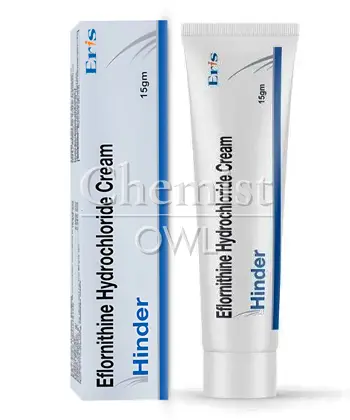
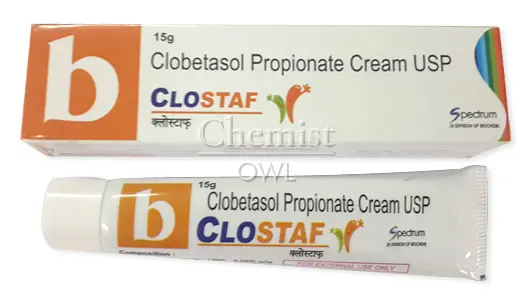
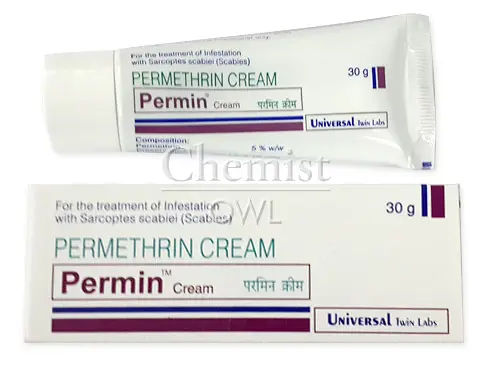
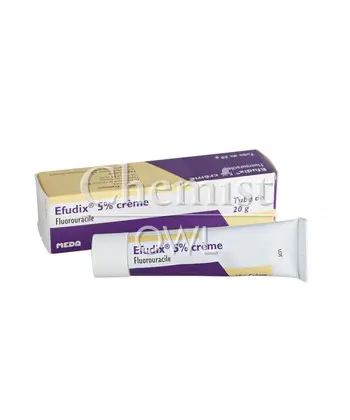
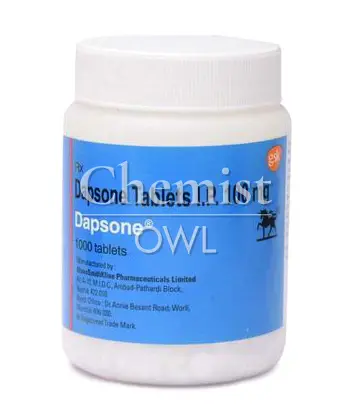
Types of medications found in this category reflect those functions: retinoids (tretinoin, adapalene) and other keratolytic agents; topical corticosteroids of various strengths; topical antibiotics and antiseptics such as dapsone or fusidic acid; antifungal agents and systemic antifungals for more extensive infections; topical immunomodulators like tacrolimus; cytotoxic or antineoplastic topicals for actinic keratoses and superficial skin cancers such as fluorouracil preparations; antiparasitic agents such as permethrin; and specialty products for hair‑related issues, for example eflornithine. Some systemic medications used for severe or widespread disease, including oral retinoids and immunosuppressants, are also associated with dermatology care and may appear under skincare therapy options.
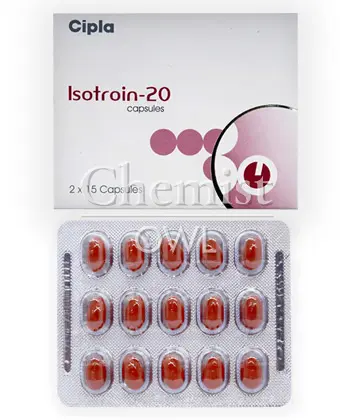
General safety considerations emphasize that different medicines in this group carry distinct expected effects and potential adverse reactions. Topical products commonly cause local effects such as redness, peeling, stinging or dryness, and some agents increase sun sensitivity. Potent topical corticosteroids and certain systemic drugs can be absorbed beyond the skin and have wider consequences; a class of oral retinoids is known for strong pregnancy‑related risks and requires specific safety measures. Interactions with other medicines and preexisting health conditions can influence suitability, and long‑term use of some therapies may require monitoring as indicated in product information.
When selecting a skincare medicine, users typically compare the formulation (cream, gel, ointment, solution), concentration or strength, intended treatment duration and the severity of the condition. Preference is often influenced by skin type (oily, dry or sensitive), the treated area (face versus body), onset of effect and tolerability. Another common consideration is whether a product is available over the counter or only by prescription, and whether special precautions—sun avoidance, pregnancy warnings or monitoring requirements—apply. Regulatory labeling and licensed product information describe approved uses, contraindications and safety data for each medicine, which are important reference points when evaluating options.