📞  — free, 24/7
— free, 24/7 — free, 24/7Women's health products for reproductive and intimate care: contraceptives, pregnancy tests and prenatal supplements, menstrual care, menopause remedies, fertility aids, sexual wellness items, urinary and vaginal health treatments, and hormone-support supplements.
Women's health products for reproductive and intimate care: contraceptives, pregnancy tests and prenatal supplements, menstrual care, menopause remedies, fertility aids, sexual wellness items, urinary and vaginal health treatments, and hormone-support supplements.
Medications grouped under "Women's Health" address a broad range of conditions that specifically affect people assigned female at birth as well as reproductive and hormonal systems. The category covers products intended to regulate or prevent pregnancy, to manage menstrual and menopausal symptoms, to treat infections and bone health concerns, and to support sexual and urinary function. Because these medicines act on hormonal pathways or reproductive organs, they are often prescribed with attention to age, reproductive plans and other health conditions.
Common use cases include contraception and emergency contraception, treatments to induce or support ovulation during fertility care, therapies to relieve menopausal symptoms, and medications for menstrual disorders such as heavy bleeding or painful periods. Other frequent needs addressed here are management of vaginal infections, prevention or treatment of osteoporosis after menopause, therapies for hormone‑sensitive breast conditions, and medicines for overactive bladder or sexual function. Some products are intended for short, episodic use while others are taken as part of longer-term management plans.
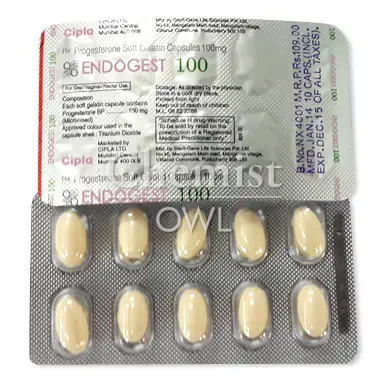
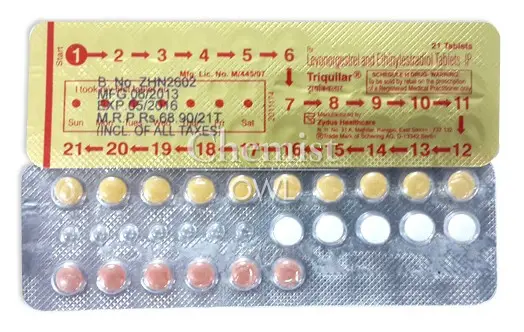
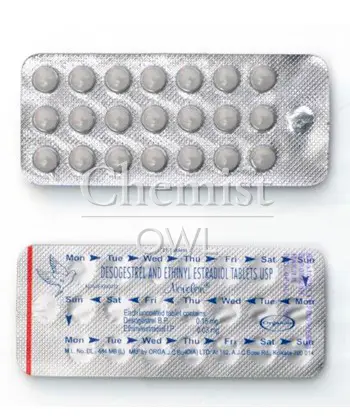
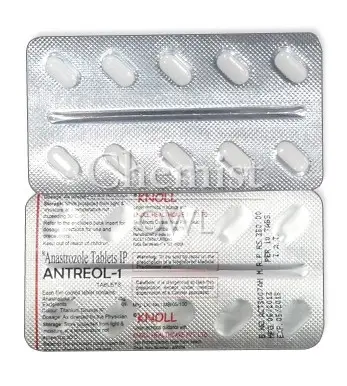
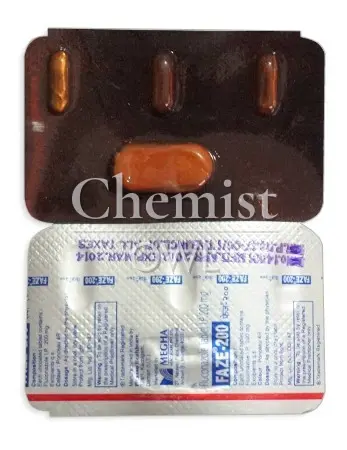
The category contains a variety of medication classes. Hormonal contraceptives such as combined oral pills are represented by familiar names used for birth control; there are also progestin-only options and emergency pills for contraceptive backup. Fertility agents for ovulation induction, progesterone and estrogen preparations for menopausal or luteal support, and selective estrogen receptor modulators or aromatase inhibitors used in hormone-related oncology are included. Antifungal medicines for yeast infections, analgesics commonly used for menstrual pain, antifibrinolytics for heavy bleeding, drugs for osteoporosis, and agents for urinary symptoms or altered sexual desire also appear in this group.
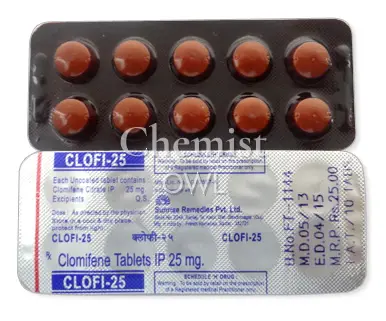
Examples of well-known medicines encountered in this sphere reflect the diversity of indications: combined oral contraceptives are widely used for pregnancy prevention, Plan B or similar products provide emergency contraception, and medicines such as clomiphene are commonly used in fertility workups. Hormone replacement products and progestins are employed for menopausal or bleeding disorders, antifungals treat candidiasis, and bisphosphonates address bone density loss. Treatments for hormone-sensitive breast conditions and options for managing overactive bladder or low sexual desire are additional elements of the category.
Safety and appropriate use vary substantially across these medicines. Many have potential side effects, interactions with other drugs, or contraindications related to smoking, cardiovascular risk, liver function, or pregnancy status, and some require monitoring such as bone density checks or laboratory tests. Products differ in whether they are available over the counter or by prescription, and the route of administration may be oral, topical, injectable, or vaginal. Product leaflets and official prescribing information describe specific precautions, typical adverse effects, and monitoring needs associated with each medicine.
When people shop within this category they commonly compare factors such as the intended purpose (contraception, fertility, menopausal relief, infection control, bone health), effectiveness, frequency and convenience of dosing, side effect profiles, and whether a medicine is prescription‑only or available without one. Other considerations include the presence of suitable formulations (pill, cream, gel, injection), compatibility with existing health conditions or medications, and availability of generic alternatives. Reliable product information and regulatory status help inform selection, while the correct clinical context for use is provided in prescribing information and by qualified health services.