📞  — free, 24/7
— free, 24/7 — free, 24/7| Package | Price per Dose | Price | |
|---|---|---|---|
| 12 tubes | £8.83 | £152.09 £106.46 | |
| 6 tubes | £8.87 | £76.03 £53.22 | |
| 4 tubes | £8.91 | £50.15 £35.10 | |
| 2 tubes | £9.00 | £25.87 £18.11 |
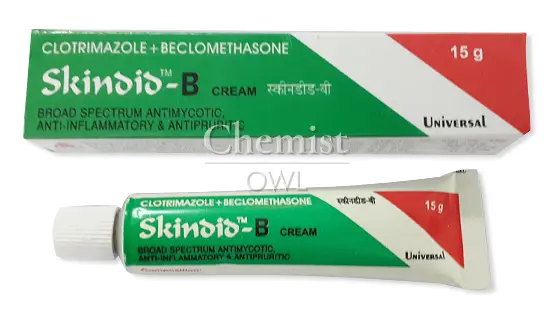
Lotrisone is a topical prescription medicine that combines two active ingredients: clotrimazole and betamethasone dipropionate. It is used on the skin to treat fungal infections that are accompanied by inflammation, such as redness, itching and irritation.
Clotrimazole is an antifungal medicine. It works by interfering with the growth of fungi that cause infections of the skin. Betamethasone dipropionate is a corticosteroid that reduces swelling, redness and itching. Together they address both the infection and the inflammatory response in the skin.
The medicine is intended for use on the skin and should be applied only to areas where you have a fungal infection that has inflammation. Do not use Lotrisone inside the mouth, in the eyes, or on the inside of the nose or genital areas unless specifically advised by a healthcare professional. It is usually used for adults and sometimes for children under medical supervision, depending on local rules.
Lotrisone may require a prescription depending on local rules. If you are unsure whether you can obtain it or how it should be used, ask a pharmacist or your clinician for guidance and always follow the information in the patient information leaflet that comes with the medicine.
Lotrisone is used for fungal infections of the skin where there is inflammation. Examples include certain types of ringworm, athlete’s foot and jock itch when itching, redness or other irritation is present.
It may also be prescribed for related inflamed fungal conditions on areas of the skin that are easy to treat with a topical product. The corticosteroid component helps ease symptoms such as itching and redness as the antifungal component works to clear the infection.
Use is limited to the skin and should not be applied to mucous membranes or to large areas of the body unless advised by a clinician. It should not be used for infections that are not fungal or for conditions not caused by a fungus unless a healthcare professional has confirmed another cause and approved treatment.
If your symptoms persist, worsen, or spread to new areas despite treatment, check with a healthcare professional for further guidance. Do not assume the product will work for every skin infection simply because it contains an antifungal and a corticosteroid.
The antifungal component (clotrimazole) acts by stopping the growth of fungi that cause common skin infections. This helps treat the underlying infection on the skin surface.
The corticosteroid component (betamethasone) reduces inflammation in the treated area. It eases itching, redness and swelling, which can help you feel more comfortable while the antifungal works.
Together, the two medicines address both the infection and the inflammatory response. However, Lotrisone does not guarantee a quick cure and some infections may require additional or different treatment. If there is no improvement or if symptoms worsen, seek advice from a healthcare professional.
Because the steroid component can affect skin if used inappropriately (for example, over large areas or for a long time), it is important to use the medicine exactly as prescribed and to review your use with a clinician if you have concerns.
Apply a thin layer of Lotrisone to the affected area as directed by your clinician or the patient information leaflet. Gently rub the medicine into the skin until it is evenly spread. Do not apply a thick layer or cover the area with a bandage unless advised by a healthcare professional.
Before applying Lotrisone, wash and dry the affected area thoroughly. Wash your hands after applying the medicine unless you are treating the hands themselves. Do not apply Lotrisone to broken or heavily irritated skin unless a clinician has advised this.
Use Lotrisone for the entire course prescribed by your clinician. Do not stop early simply because symptoms improve, and do not use it for longer than advised. If you are unsure about the duration of treatment, check with a doctor or pharmacist.
If you miss a dose, apply it as soon as you remember unless it is almost time for your next dose. Do not double up to make up for a missed application. If you have concerns about missed doses, speak with a healthcare professional for tailored advice.
Ensure other skin products that you use on the same area are compatible with Lotrisone and do not apply them on top of Lotrisone unless advised by a clinician. If you are unsure about using other treatments together, seek guidance from a pharmacist or doctor.
Do not use Lotrisone if you are allergic to clotrimazole, betamethasone or any of the other ingredients in the cream. An allergic reaction can include a rash, itching, swelling or dizziness after applying the medicine.
Do not use Lotrisone on the face, on the scalp (unless specifically advised), around the eyes, inside the mouth or in the genital area unless a clinician has given explicit instructions. The product is not generally intended for use in these areas because of higher absorption or risk of adverse effects.
Children and people with infections or skin conditions not caused by fungi should only use Lotrisone under direct medical supervision. If you are pregnant, planning a pregnancy or breastfeeding, talk to a clinician before using Lotrisone to discuss potential risks and alternatives.
If the infection is primarily bacterial, viral or non-inflammatory, Lotrisone may not be appropriate. If you are unsure about the nature of the skin problem, seek a clinician’s opinion before starting treatment.
Long-term or extensive use of topical corticosteroids like betamethasone can thin the skin, cause stretch marks or lead to increased fragility of the treated area. Avoid using Lotrisone on large areas of skin or for prolonged periods unless advised by a clinician.
If you have a skin infection that does not respond to treatment, or if the area becomes more irritated, red, swollen or oozing, seek medical advice promptly. A clinician may need to reassess the diagnosis or adjust treatment.
Lotrisone should not be used for conditions where the fungus is not proven to be involved, or where the infection could spread to another person or area through contact. Always follow safety instructions on the label and consult a healthcare professional if you are unsure.
Keep Lotrisone out of reach of children. Store at room temperature and protect from light. If you notice signs of a severe allergic reaction (such as swelling of the face or lips, difficulty breathing), seek urgent medical help immediately.
Like all medicines, Lotrisone can cause side effects. Some people may experience local reactions at the site of application.
Common reactions include burning, stinging, itching, or mild redness where the cream was applied. These effects are usually temporary and resolve after stopping treatment or continuing use under medical guidance.
Less common effects can include thinning or lightening of the skin, stretch marks, or acne-like rashes on the treated area. Contact dermatitis, a skin irritation, can occur in some people.
Serious side effects are rare but require immediate medical attention. Seek urgent medical help if you experience severe allergic reactions, widespread skin thinning, blurred vision, or any new or worsening symptoms beyond the treated area.
Lotrisone is applied to the skin and systemic interactions are unlikely, but it is still important to tell your clinician about other medicines you are using on the skin, including other antifungal or steroid creams, ointments or gels.
Avoid applying Lotrisone together with other topical corticosteroids on the same area unless advised by a clinician. Similarly, avoid applying other medicated skin products that may interact, such as strong soaps or astringents, at the same time as Lotrisone unless directed.
If you are receiving systemic antifungal or steroid treatments, inform the clinician reviewing your care. They can assess whether the topical use of Lotrisone is appropriate in your broader treatment plan.
In case Lotrisone accidentally gets into the eyes, rinse with clean water immediately and seek medical advice if irritation continues. If you are pregnant or breastfeeding, discuss any potential interactions with a clinician before using Lotrisone.
Safety in pregnancy has not been established for all populations, so Lotrisone should be used only if clearly needed and prescribed by a clinician during pregnancy. If you are pregnant or planning pregnancy, discuss the potential benefits and risks with your doctor before using this medicine.
If you are breastfeeding, consult a clinician about the safety of applying Lotrisone to areas near the breasts or to skin that may come into contact with a nursing infant. Your clinician may advise alternative treatments or precautions.
In any pregnancy or breastfeeding situation, use Lotrisone exactly as directed by your clinician. Do not apply to large areas of skin or for extended periods without medical supervision.
If you are unsure about the suitability of Lotrisone during pregnancy or breastfeeding, check the official patient leaflet or speak with a healthcare professional for personalised guidance.
Many people notice a reduction in itching and redness within a few days. However, the time to improvement can vary depending on the infection and area treated. If there is no improvement after a couple of weeks, or if symptoms worsen, seek advice from a clinician.
Apply the medicine as soon as you remember, unless it is almost time for your next dose. Do not double up to make up for a missed dose. If you frequently forget doses, talk to a clinician about a plan that fits your routine.
Some products may interact with Lotrisone or irritate the skin. Avoid using other strong topical steroids on the same area unless advised. If you are using other antifungal or medicated creams, check with a pharmacist or clinician to plan a safe schedule for use.
Lotrisone may be used in children only under medical supervision. The suitability and duration of treatment depend on the child’s age, the area affected, and the infection type. Always follow a clinician’s instructions for pediatric use.
Areas near the eyes, mouth, nose, or genitals require careful use and professional guidance. If the affected area is extensive or involves delicate skin, speak with a clinician before continuing treatment.
No. Lotrisone is designed for fungal infections with inflammation. It is not a treatment for viral infections (such as cold sores) or bacterial infections unless a clinician confirms a different diagnosis and prescribes other therapies.
If there is no improvement after 1–2 weeks of treatment, or if symptoms worsen, consult a clinician. A different diagnosis or treatment plan may be needed.
Prolonged use or use on large areas of skin can increase the risk of side effects associated with corticosteroids, such as skin thinning. Follow your clinician’s instructions and review ongoing treatment regularly.
If irritation appears or worsens, stop applying Lotrisone and seek medical advice. A clinician can determine whether the irritation is related to the medicine and whether an alternative treatment is more appropriate.
Seek urgent medical advice or help if you experience signs of a severe allergic reaction (for example, swelling of the face or lips, difficulty breathing), a severe skin reaction, or if the infection spreads rapidly or causes fever or malaise. Do not delay getting help in these situations.
For further information, consult the official patient information leaflet supplied with the medicine and speak to a pharmacist or clinician. In the United Kingdom, you can also discuss skin infections and treatments with a general practitioner or at an NHS walk-in centre.
Reliable general references include the official leaflet provided with Lotrisone (or its local UK equivalent) and national guidance from healthcare regulators. If you are unsure about any information in this page, verify with a clinician or pharmacist before starting or continuing treatment.
Always use medicines as directed by your clinician and do not rely on information from anonymous sources. Your safety and treatment effectiveness depend on proper use and professional guidance.
14–21 days. Free from £151.02 .
5–9 days. £22.65
−10% when paying with cryptocurrency.
−10% on all repeat orders.
All orders are packed in neutral, unbranded boxes with no product name on the outside.