📞  — free, 24/7
— free, 24/7 — free, 24/7Products designed to kill or inhibit bacteria for treatment and prevention of skin and minor wound infections. Includes topical antibiotics, antiseptic washes and sprays, antibacterial creams, ointments and wound care solutions for everyday first aid and infection control.
Products designed to kill or inhibit bacteria for treatment and prevention of skin and minor wound infections. Includes topical antibiotics, antiseptic washes and sprays, antibacterial creams, ointments and wound care solutions for everyday first aid and infection control.
Antibacterial medicines are drugs designed to stop or slow the growth of bacteria that cause infections. This category covers a broad range of products used to treat bacterial illnesses in different parts of the body, including systemic antibiotics taken by mouth or injection and topical formulations applied to skin, eyes or mucous membranes. Antibacterials differ from antivirals, antifungals and antiparasitic agents, so product selection is usually targeted to the suspected type of infectious organism and the site of infection.
Common uses include treatment of respiratory tract infections, urinary tract infections, skin and soft-tissue infections, certain eye infections, and gastrointestinal infections caused by susceptible bacteria. Some antibacterials are used short-term for acute infections, others for longer courses or for suppression of recurrent problems, and a few are formulated specifically for local application such as eye drops or creams. Certain agents are also used in dental care or surgical prophylaxis under clinical supervision.
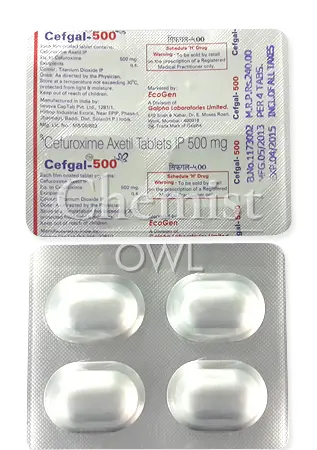
Products in this category span several well-known classes. Penicillins such as amoxicillin (often labelled as Trimox) and cephalosporins like cefuroxime (Ceftin) and cefixime (Suprax) are common oral options. Macrolide-type medicines such as roxithromycin (Rulide) and tetracyclines like doxycycline (Vibramycin) offer alternatives for patients with particular needs. Sulfonamide combinations such as trimethoprim–sulfamethoxazole (Bactrim) and urinary-specific drugs like nitrofurantoin (Furadantin) address urinary tract infections. Fluoroquinolone-derived eye drops (for example formulations related to ciprofloxacin or ofloxacin, seen in products like Ciloxan and Ocuflox) and combination ophthalmic preparations that pair an antibiotic with an anti-inflammatory agent (for example tobramycin-containing combinations) are typical for ocular use. Nitromidazole agents such as tinidazole are used for some anaerobic and intestinal infections.
General safety considerations focus on correct use, appropriate dosing and awareness of possible side effects. Allergic reactions vary in severity and are an important reason for choosing one antibacterial over another. Different groups of drugs have characteristic adverse effects—for example, photosensitivity with some tetracyclines, digestive upset with several oral agents, and potential interactions with other medicines. Antibiotic resistance is a public-health concern; avoid unnecessary or incomplete courses. Storage, expiry dates and formulation-specific precautions (such as shaking suspensions or avoiding contact lenses when using certain eye drops) are also relevant.
When selecting an antibacterial product, consumers typically look at the active ingredient, the intended use and the formulation that best suits their needs: oral tablets or capsules, liquid suspensions for children, topical creams, or eye drops. Spectrum of activity (broad versus narrow), dosing frequency, duration of treatment, known allergies, age-appropriate formulations and any existing health conditions are common factors that influence choice. Some products are prescription-only and require authorization, while others may be available over the counter in certain regions for limited indications.
Product information pages list the active substance, typical indications, available formulations and standard precautions so shoppers can compare options. Check the patient information leaflet that accompanies each medicine for details about administration and storage, and verify prescription requirements and any local regulations before purchase. Clear labelling, convenient dosing schedules and familiarity with a particular active ingredient are practical aspects that many users weigh when deciding which antibacterial product to obtain.