📞  — free, 24/7
— free, 24/7 — free, 24/7| Package | Price per Dose | Price | |
|---|---|---|---|
| 200 pills | £0.90 | £179.16 Free shipping | |
| 100 pills | £0.95 | £95.17 | |
| 200 pills | £0.59 | £118.69 | |
| 100 pills | £0.66 | £66.06 | |
| 200 pills | £0.78 | £156.76 Free shipping | |
| 100 pills | £0.84 | £83.98 | |
| 200 pills | £0.78 | £157.88 Free shipping | |
| 100 pills | £0.85 | £85.10 | |
| 200 pills | £0.90 | £179.16 Free shipping | |
| 100 pills | £0.95 | £95.17 | |
| 200 pills | £0.95 | £191.48 Free shipping | |
| 100 pills | £1.11 | £111.97 |
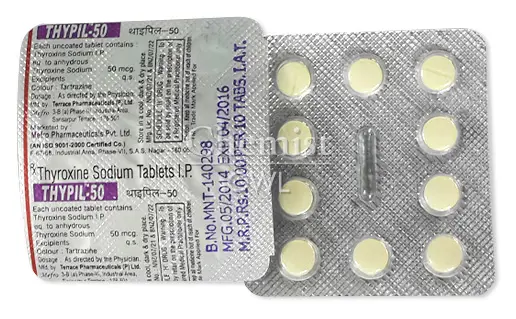
Levothyroxine is a synthetic thyroid hormone replacement belonging to the thyroxine (T4) pharmacological class. It acts as a prohormone that is deiodinated in peripheral tissues to the active hormone triiodothyronine (T3), thereby restoring normal metabolic rate; its primary therapeutic use is lifelong replacement therapy for hypothyroidism of various etiologies.
Levothyroxine is supplied as oral tablets or oral solutions, and it requires individualized dosing based on patient age, comorbidity, and laboratory monitoring. It is used in stable, chronic hypothyroid states and is also employed to suppress TSH in select thyroid disorders after surgical or radiologic treatment, under specialist supervision.
In routine practice, clinicians emphasize consistent administration timing, routine laboratory monitoring, and awareness of drug–drug and nutrient interactions that can alter absorption or effectiveness. While generally well tolerated, the pharmacologic goal is to achieve normal thyroid hormone levels without signs of overreplacement.
Levothyroxine is indicated for hypothyroidism of all etiologies, including primary hypothyroidism due to autoimmune thyroiditis (Hashimoto disease), postablative states after thyroid surgery or radioactive iodine therapy, and congenital hypothyroidism diagnosed in infancy.
It is also used for central hypothyroidism caused by pituitary or hypothalamic disease, where endogenous TSH is deficient or inappropriate. In addition, levothyroxine may be employed in the management of goiter associated with hypothyroidism and as part of therapeutic regimens for certain differentiated thyroid cancers to suppress TSH and reduce disease recurrence risk, under endocrinology guidance.
Therapeutic goals include restoration of normal metabolic function, normalization of serum TSH, and alleviation of hypothyroid symptoms such as fatigue, cold intolerance, weight gain, and cognitive slowing. Dosing and monitoring are adjusted to achieve euthyroidism and to accommodate pregnancy, advancing age, and comorbid cardiovascular disease.
Initial and ongoing dosing is individualized. In adults with overt hypothyroidism, the typical starting approach is approximately 1.6 mcg/kg/day given as a once-daily dose, with slow titration every 4–6 weeks based on TSH and free T4 results. Elderly patients or those with cardiac disease generally begin at a lower dose (for example, 12.5–25 mcg daily) and increase gradually while monitoring cardiovascular status and thyroid function. Pregnant patients often require dose adjustments to maintain normal TSH levels because thyroid hormone demands rise during gestation.
Administration should be on an empty stomach with water, 30–60 minutes before breakfast. If this timing cannot be achieved, administration at bedtime at least 3–4 hours after the last meal may be an alternative, though consistency is essential. Abrupt changes in timing or formulation can affect thyroid hormone levels and patient symptoms; any switch should be coordinated with the prescriber and monitored with laboratory testing.
Avoid taking levothyroxine with meals or with most calcium-, iron-, magnesium-, or aluminum-containing antacids, sucralfate, or certain bile acid sequestrants, because these can significantly reduce absorption. If these agents are required, space them by at least 4 hours from the levothyroxine dose. Similarly, high-fiber meals and certain soy-rich products may modestly reduce absorption when taken near dosing; complex dietary patterns should be discussed with a clinician.
Missed doses should be handled by resuming the regular schedule as soon as remembered, provided it is not close to the time of the next dose. If it is near the next dose, skip the missed dose and continue on schedule; never double-dose to make up for a missed tablet. Consistency in brand or formulation is advised, as changes can alter absorption and the stability of thyroid parameters; any switch requires careful monitoring and possible dose adjustment.
Storage should be at room temperature, away from light and moisture, and out of reach of children. Do not store in the bathroom or in areas with high humidity. Check expiration dates regularly and discard any tablets that have degraded in appearance or shelf life. Patients should carry clear instructions from their healthcare provider regarding dose changes and monitoring schedules for pregnancy or other dynamic conditions.
Most people tolerate levothyroxine well when correctly dosed, but over-replacement can produce hyperthyroid-like symptoms. Look for palpitations, chest discomfort, rapid or irregular heartbeats, anxiety, irritability, tremor, heat intolerance, sweating, and unintentional weight loss. Less commonly, insomnia, headache, or menstrual irregularities may occur.
Under-replacement can perpetuate fatigue, cold intolerance, constipation, dry skin, hair loss, and cognitive slowing. If hypothyroid symptoms persist after a dose change or if you notice signs of under-replacement after starting therapy, contact a clinician for re-evaluation and possible dose adjustment.
Severe adverse reactions are uncommon but require urgent evaluation. These include chest pain, fainting, or sudden shortness of breath. Allergic reactions with swelling of the face or throat, severe rash, or hives are rare but demand immediate medical attention. Long-term overreplacement may affect bone health and heart rhythm, particularly in older adults or those with preexisting cardiovascular disease.
Seek medical advice promptly if you develop new or worsening symptoms after starting or adjusting levothyroxine, or if you have risk factors for heart disease, pregnancy, or thyroid cancer management. Urgent care is warranted for chest pain, severe palpitations, fainting, or sudden shortness of breath, as these may reflect overreplacement or cardiovascular complications.
Share any current medications, including over-the-counter supplements and herbal products, because some substances can interact with levothyroxine or alter its absorption. Regular blood tests to monitor TSH and free T4 should be scheduled as directed, with dose adjustments made by a clinician based on laboratory results and clinical status. In pregnancy, adherence to monitoring and dosage adjustments is critical to fetal and maternal health, and endocrinology or obstetrics guidance is recommended.
14–21 days. Free from £149.31 .
5–9 days. £22.40
−10% when paying with cryptocurrency.
−10% on all repeat orders.
All orders are packed in neutral, unbranded boxes with no product name on the outside.