📞  — free, 24/7
— free, 24/7 — free, 24/7Men's health and wellness care covering sexual health, prostate support, hair and skincare, testosterone management, urinary health, and daily nutrition. Treatment options and personal care for erectile dysfunction, premature ejaculation, hair loss, grooming, and overall male vitality.
Men's health and wellness care covering sexual health, prostate support, hair and skincare, testosterone management, urinary health, and daily nutrition. Treatment options and personal care for erectile dysfunction, premature ejaculation, hair loss, grooming, and overall male vitality.
Men's Health covers medications used to manage common male-specific conditions such as sexual function problems, hormonal disorders, benign enlargement of the prostate and hair loss. The focus is on treatments that affect sexual performance, libido, urinary symptoms related to prostate enlargement, androgen replacement and long-term therapies for prostate conditions. The group is broad and includes oral tablets, topical preparations and other formulations designed specifically to address men’s health concerns.
One of the main uses for medicines in this area is the treatment of erectile dysfunction and related sexual performance issues. Products that act on blood flow and nerve signaling are commonly used to improve the ability to achieve and maintain an erection, while other therapies target control of ejaculation or increase sexual desire. Separate treatments address low testosterone levels, which may be prescribed in cases where clinical assessment identifies a hormonal imbalance affecting energy, mood or sexual function.
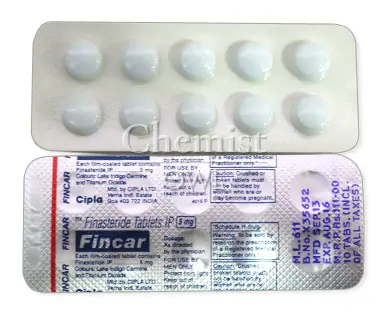
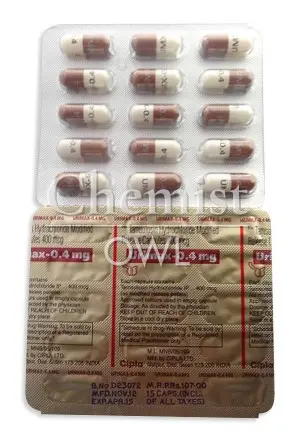
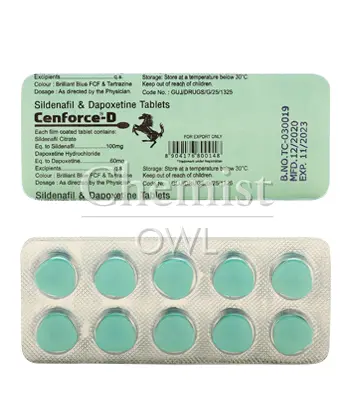
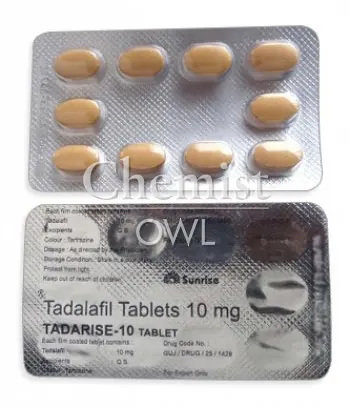
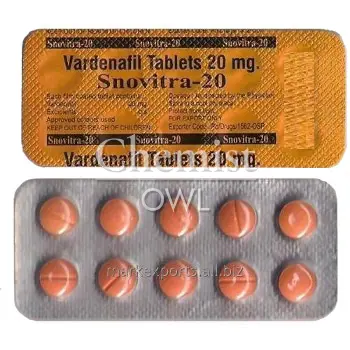
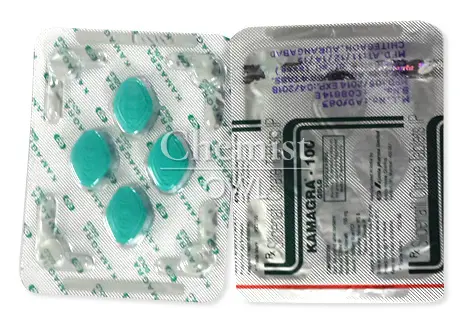
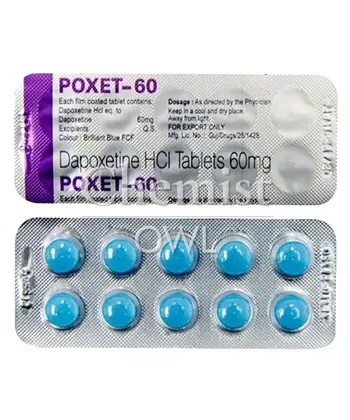
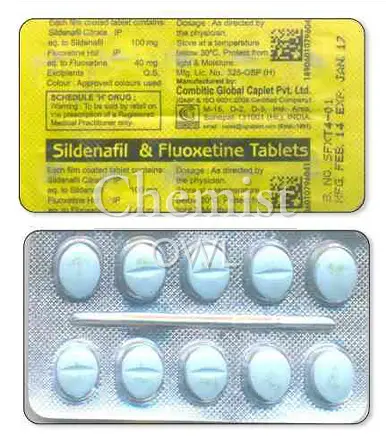
Medications can be grouped by how they work and how they are taken. Phosphodiesterase type 5 inhibitors (oral tablets) are widely used for erectile dysfunction and are available in different options that vary in onset and duration. Other oral agents are intended to help with premature ejaculation, and some formulations combine active ingredients to address more than one symptom. Finasteride- or dutasteride-type medicines are typically used for hair loss and to shrink an enlarged prostate over time, while alpha-blockers act more quickly to relieve urinary symptoms. Topical testosterone gels and other hormone preparations are available for testosterone replacement therapy under medical supervision.
Familiar names commonly associated with these categories include medicated tablets for erectile dysfunction, treatments for premature ejaculation and long-term therapies for prostate conditions and hair preservation. Examples of widely recognized products span established erectile dysfunction treatments, selective oral options for early ejaculation and 5-alpha-reductase inhibitors for hair loss and prostate size management. Some therapies are standalone products while others are offered as combination formulations to target multiple symptoms simultaneously.
Safety and proper use are important considerations when selecting medications for men’s health. Effectiveness, potential side effects, how quickly a product works and how long its effects last vary between medicines and between individuals. Many of these medicines are available only with a prescription and should be taken under the guidance of a healthcare provider or pharmacist who can assess suitability and possible interactions with other treatments or medical conditions. Information about side effects, contraindications and monitoring requirements is normally provided with the medicine and should be reviewed carefully.
When choosing a product, consumers commonly evaluate intended outcome, onset and duration of action, route of administration, known side effect profiles and whether a treatment is short-term or intended for ongoing use. Preferences for generic versus branded versions, availability in different strengths and ease of use (tablet, gel, spray or combination product) also influence choices. Reliable information, clear labeling and consultation with a qualified clinician or pharmacist help users match a treatment option to their needs while taking into account safety and long-term considerations.