📞  — free, 24/7
— free, 24/7 — free, 24/7| Package | Price per Dose | Price | |
|---|---|---|---|
| 180 pills | £1.41 | £282.17 £253.95 Free shipping | |
| 120 pills | £1.49 | £197.77 £177.99 Free shipping | |
| 90 pills | £1.66 | £165.01 £148.51 | |
| 60 pills | £1.89 | £125.96 £113.36 | |
| 30 pills | £2.37 | £79.35 £71.42 |
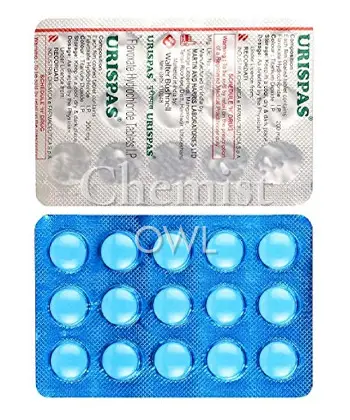
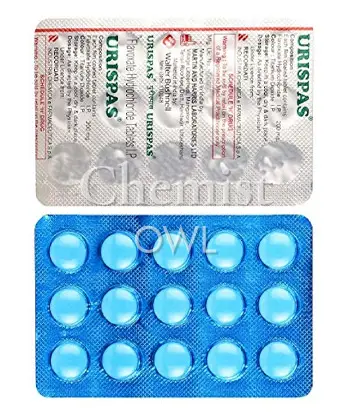
Flavoxate hydrochloride was first introduced in the 1960s as a targeted urinary antispasmodic and remains widely used worldwide to ease bladder spasms and related symptoms. It acts by relaxing smooth muscle in the urinary tract, helping reduce urgency, frequency, and dysuria. The drug carries modest anticholinergic activity and is often chosen when rapid symptom relief is desirable without heavy systemic effects.
It belongs to a class of urinary antispasmodics designed to calm overactive bladder contractions. Its effects are most noticeable on the bladder wall, where fewer spasms translate to fewer sudden urges. Pharmacologically, it combines direct smooth muscle relaxation with mild antimuscarinic activity, contributing to its dual action. Because it does not cure underlying conditions, it is used to manage symptoms alongside other treatments.
After oral administration, flavoxate is absorbed from the gut and distributed systemically. Peak levels typically occur within a couple of hours, and the drug is processed by the liver with renal excretion of metabolites. Clearance may vary with age and liver function, which can influence how long the medication remains in the body. As with other antispasmodics, responses are individual, so doctors tailor the regimen to patient needs.
Like many symptom-relief medicines, flavoxate does not treat infection or structural disease in the urinary tract. It is often used for short intervals around procedures or during flare-ups of bladder irritability. Patients may notice improved comfort during activities that previously provoked urge or pain. A clinician may adjust dose or discontinue if benefits are not evident within a reasonable trial period.
The medication is typically prescribed for adults; pediatric data are limited. Clinicians weigh benefits against possible anticholinergic effects, particularly in older adults. In cases of liver or kidney impairment, dosing or monitoring may be adjusted to reduce the risk of side effects or reduced effectiveness.
The primary indication is relief from bladder spasms that cause urgency, frequency, and pain. Conditions such as overactive bladder, interstitial cystitis-like symptoms, or irritation after urologic procedures are commonly considered. A clinician may combine flavoxate with fluid management, bladder training, or other therapies. It is not a treatment for urinary tract infection or structural abnormalities.
Bladder irritability from various causes can produce similar symptoms, and flavoxate provides symptomatic relief. In some patients it helps when anticholinergic drugs are not tolerated or produce troublesome side effects. The drug is occasionally used around procedures to minimize post-procedure bladder spasms. Evidence varies by condition, so expectations are discussed before starting therapy.
Because it does not address infection or anatomic issues, it is usually part of a broader care plan. Lifestyle measures such as fluid balance, caffeine reduction, and timed voiding can augment effects. For some patients, flavoxate allows other therapies to work with less bladder-related disruption. A clinician will define goals and duration of use.
Pediatric use is limited; in adults, dosing and duration depend on symptoms. Pregnancy or breastfeeding requires a careful discussion of risks and benefits. People with glaucoma, urinary retention, or significant constipation may require modifications. A prescription is necessary to ensure appropriate monitoring and adjustment.
Flavoxate is taken by mouth as tablets with a full glass of water. The dose is usually divided into multiple daily administrations rather than a single large dose. Taking it with meals can help minimize stomach upset. Always follow the exact timing prescribed by a healthcare professional.
Do not crush or chew tablets unless the product label specifically allows it. If you miss a dose, take it as soon as you remember unless it is almost time for the next dose. Skip a double dose to catch up; resume your normal schedule. Never exceed the prescribed daily amount.
Your clinician may adjust the plan based on response and tolerability. If you have kidney or liver disease, inform your prescriber, as it can affect dosing. Alcohol can amplify certain side effects such as dizziness. Store in a cool, dry place away from light.
Oral flavoxate is typically used for short courses during symptom flares. Long-term use is guided by benefit–risk assessment. In pregnancy, lactation, or planning pregnancy, consult a clinician before use. Keep all medicines out of reach of children.
Contraindications include known hypersensitivity to flavoxate or related compounds. It should be used with caution in people with narrow-angle glaucoma, urinary retention, or severe constipation. Avoid use if you have intestinal obstruction or myasthenia gravis unless advised by a clinician. Tell your doctor about any severe liver or kidney disease.
Drug interactions: combining flavoxate with other anticholinergic drugs or CNS depressants can raise drowsiness and dry mouth. Caution with alcohol, sedatives, or other medicines that slow your reactions. Always check with a pharmacist or doctor before adding over-the-counter antihistamines or cough meds. Non-prescription laxatives or stool softeners might be needed if constipation develops.
Pregnancy and breastfeeding: safety during pregnancy is not fully established; discuss risks and benefits. If you are planning pregnancy, or are currently pregnant, avoid use unless advised. Breastfeeding: it is not clear whether flavoxate passes into breast milk; consult a clinician. Your clinician may propose alternatives with proven safety.
Warnings: can cause blurred vision, dizziness, and difficulty focusing, affecting driving and machinery. Constipation and urinary retention can occur, particularly in older adults. Seek medical advice if you develop severe confusion, chest pain, or fainting. Regular check-ins help ensure safe use and early detection of adverse effects.
Commonly reported effects include dry mouth and constipation. Blur red vision or difficulty focusing is possible, especially in older patients. Dizziness or lightheadedness can occur when starting therapy. These effects are usually mild and often lessen over time.
Gastrointestinal upset, such as nausea or upset stomach, can occur. Headache or fatigue may accompany treatment. Some people notice a slowed heart rate or flushing; these are less common. If symptoms persist, talk to your clinician.
Less common but more serious reactions include allergic skin rashes, swelling of face or throat, or trouble breathing. Seek urgent care if signs of an allergic reaction appear. Very rare cases of severe constipation or urinary retention can require medical attention. Report any unusual symptoms to your doctor or pharmacist.
Because side effects vary with age, other medicines, and conditions, monitoring is important. Do not stop suddenly without guidance; some symptoms may rebound. Keep a current list of all medications to avoid interactions. This information is a general guide and does not replace professional medical advice.
14–21 days. Free from £151.17 .
5–9 days. £22.68
−10% when paying with cryptocurrency.
−10% on all repeat orders.
All orders are packed in neutral, unbranded boxes with no product name on the outside.