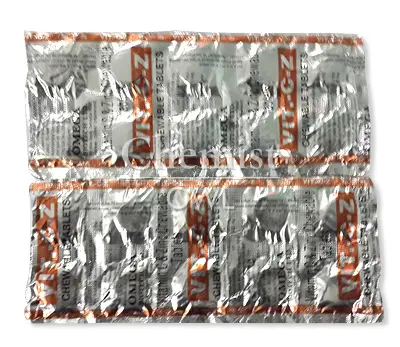
📞  — free, 24/7
— free, 24/7 — free, 24/7| Package | Price per Dose | Price | |
|---|---|---|---|
| 270 pills | £0.32 | £105.38 £89.57 | |
| 180 pills | £0.35 | £73.76 £62.70 | |
| 120 pills | £0.40 | £56.64 £48.14 |
What can Vitamin C do for your health? Could it help you fight a cold or heal wounds faster? Vitamin C is a small nutrient that your body uses in many ways. You can get it from fresh fruits and vegetables, and from supplements when needed.
Vitamin C is a water‑soluble vitamin. Your body cannot store large amounts, so you need a regular supply. It helps form collagen, which supports skin, bones, and joints. It also acts as an antioxidant, protecting cells from damage. You usually meet your needs through a balanced diet, with supplements if a clinician recommends them.
Good food sources include oranges, strawberries, kiwi, bell peppers, broccoli, and tomatoes. Fortified cereals and juices can add extra Vitamin C. If you prefer supplements, tablets, capsules, powders, and gummies are common choices.
People may need more Vitamin C at certain times, such as during periods of rapid growth, illness, or pregnancy. Always check the label for the amount per dose, and talk with a pharmacist or doctor if you have questions about how much you should take.
Vitamin C helps prevent and treat vitamin C deficiency. In severe cases it can cause scurvy, which affects gums, skin, and joints. In most people this is rare, but symptoms can include easy bruising, swollen gums, and poor wound healing. A regular intake helps prevent this.
Vitamin C also helps with wound healing and skin health because it supports collagen. It helps your body absorb iron from plant foods, which can help prevent iron deficiency. Some people also use higher doses for short periods to support immune function, though evidence for preventing colds is mixed.
In general, Vitamin C supports many body functions, but it is not a cure for illnesses. If you have a chronic illness or are taking medicines, talk with your clinician before starting high-dose supplements or changing your intake.
For adults, most people get enough Vitamin C from a balanced diet. If you take a supplement, common daily doses range from 500 mg to 1000 mg. Do not exceed 2000 mg per day unless a clinician tells you to. Take supplements with meals if they upset your stomach. Water helps them go down easily.
Try to take vitamin C at the same time each day to help you remember. If you miss a dose, take it as soon as you remember. If it is almost time for your next dose, skip the missed one. Do not double up to catch up.
Storage matters. Keep the bottle tightly closed in a cool, dry place away from direct light. Check the expiry date before using. Keep supplements out of reach of children. If you mix a powdered form, follow the directions for mixing and discard any uneaten portion after the stated time.
Vitamin C is usually gentle at regular doses. The most common side effects from higher doses are stomach upset, cramps, and diarrhea. These often improve if you lower the dose or take the supplement with food.
Very rare allergic reactions can occur. If you notice swelling, severe itching, trouble breathing, or a skin rash, seek medical help right away.
High doses are not risky for everyone. People with a history of kidney stones or certain kidney problems should avoid large amounts unless a clinician approves. If you have a medical condition or take medicines, talk to your doctor about the right amount for you.
If you are pregnant, breastfeeding, or have a chronic illness, check with a clinician before starting high-dose Vitamin C. Your needs can change with life stages and health status.
If you take medicines or other supplements, tell your doctor or pharmacist. Vitamin C can affect how some drugs work or how well they are absorbed. Get personalized advice for your situation before making big changes.
14–21 days. Free from £149.31 .
5–9 days. £22.40
−10% when paying with cryptocurrency.
−10% on all repeat orders.
All orders are packed in neutral, unbranded boxes with no product name on the outside.