📞  — free, 24/7
— free, 24/7 — free, 24/7Products for bladder and urinary tract care, including UTI symptom relief, preventive supplements, urinary probiotics, pH support, test strips, incontinence aids and catheters. Options for adults and seniors focused on comfort, hygiene and monitoring.
Products for bladder and urinary tract care, including UTI symptom relief, preventive supplements, urinary probiotics, pH support, test strips, incontinence aids and catheters. Options for adults and seniors focused on comfort, hygiene and monitoring.
Medications labeled under Urinary Health address symptoms and conditions that affect urination and bladder function. These products are intended to manage issues such as increased urinary frequency, sudden urges to urinate, involuntary leakage, difficulty emptying the bladder, and spasms of the urinary tract. The category covers treatments used by people of different ages and sexes for short-term problems (for example after a surgical procedure) as well as longer-term conditions like overactive bladder or benign prostate enlargement that can affect day-to-day comfort and activity.
Common use cases encountered in this category include relief of overactive bladder symptoms (urgency, frequency, nocturia and urge incontinence), reduction of urinary obstruction related to prostate enlargement, and control of bladder spasms or cramping. Some medicines are aimed at relaxing involuntary bladder muscle contractions to reduce urgency, while others act on smooth muscle in the prostate and bladder outlet to improve urine flow. Examples often seen in this context are antimuscarinic agents and medications that target the smooth muscle of the urinary tract, with well-known product names appearing among the options.
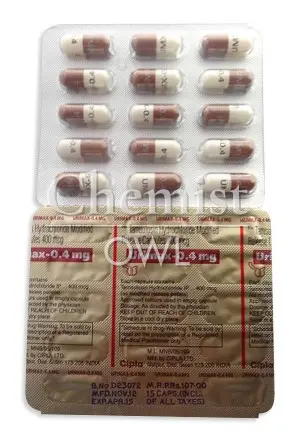
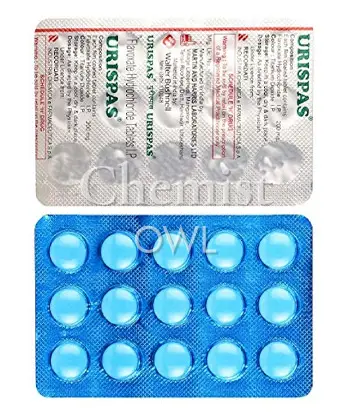
The types of medications found here fall into a few broad groups. Antimuscarinics and related agents (examples include products marketed as Detrol, Detrol LA, Ditropan and Vesicare) are frequently used to calm an overactive bladder. Alpha‑adrenergic blockers that relax muscles around the prostate and urethra (products known as Flomax, Uroxatral, Hytrin and Minipress) are commonly used when urinary flow is reduced. There are also antispasmodic preparations (for example, Urispas) and different formulations such as immediate- or extended-release tablets, and transdermal patches (for instance, Oxytrol) to provide alternative dosing options.
General safety considerations are important when evaluating these medicines. Side-effect profiles differ by class but commonly reported effects include dry mouth, constipation, blurred vision, dizziness and changes in blood pressure. Some medications can interact with other drugs or be less suitable for people with particular medical conditions, and effects may vary with age. Product leaflets typically list contraindications and warnings along with suggested monitoring approaches and known interactions, which are factors that healthcare providers and patients take into account when selecting therapy.
When choosing a urinary health medicine, people typically weigh which symptoms need the most relief, how quickly an effect is desired, and how convenient the dosing schedule is. Formulation preferences (oral tablet versus patch), the distinction between immediate- and extended-release products, expected side effects, and the potential for interactions with other medicines are all common considerations. Availability as over-the-counter versus prescription, ease of use, and personal experience with past treatments also influence decisions, as do regulatory approvals and the clinical evidence supporting a particular approach.