📞  — free, 24/7
— free, 24/7 — free, 24/7| Package | Price per Dose | Price | |
|---|---|---|---|
| 6 inhalers | £27.18 | £181.22 £163.09 Free shipping | |
| 3 inhalers | £29.45 | £98.15 £88.34 | |
| inhaler | £32.84 | £36.48 £32.84 |
Disclaimer: This information is for adults in the United Kingdom and should not replace advice from a healthcare professional. Always check with a pharmacist or doctor for your personal guidance.
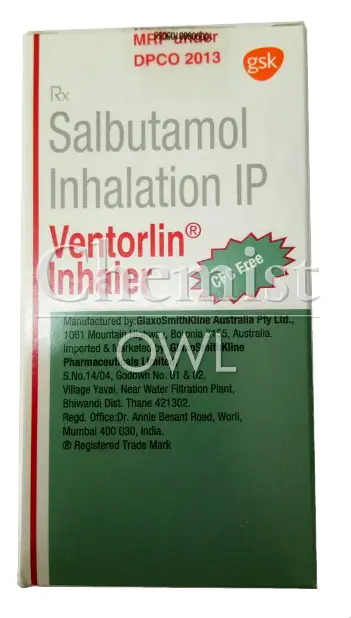
The ventolin inhaler is a brand name for a medicine called salbutamol, a fast-acting reliever bronchodilator. It helps open the airways in the lungs during periods of wheeze, tight chest, or breathlessness.
Most Ventolin inhalers deliver a measured amount of medicine with each puff. It is commonly used when symptoms flare up or before activities that might trigger symptoms, such as exercise, if advised by your clinician.
The inhaler works quickly for many people, often providing relief within minutes. It is an important part of an overall asthma or COPD plan that may include other medicines aimed at reducing inflammation or preventing symptoms over the longer term.
Ventolin inhalers come in different forms (such as metered-dose inhalers) and may be used with a spacer for easier puff delivery, especially for children or people who have trouble coordinating inhalation. Your pharmacist or clinician can explain which type you have and how to use it correctly.
Important note: Ventolin is a reliever medicine. It treats symptoms as they occur but does not replace long-term controller medicines that reduce inflammation. If you rely on reliever inhalers frequently, talk to your doctor about a review of your asthma or COPD management plan.
Ventolin inhaler is used to relieve symptoms in asthma and in some forms of COPD. It helps with wheeze, coughing, chest tightness, and shortness of breath that come on suddenly or worsen during a flare-up.
In many people, it is also used before exercise to reduce exercise-induced bronchoconstriction, potentially allowing more comfortable activity. Your clinician will tell you whether pre-exercise use is appropriate for you.
For children and adults alike, Ventolin can be part of a rapid response plan to prevent symptoms during unavoidable triggers, such as certain allergens or viral infections. If a plan is in place, use the inhaler as directed and monitor how you feel after use.
Remember that Ventolin treats symptoms rather than addressing the root inflammation of asthma or COPD. Regular check-ins with a healthcare professional help ensure your overall treatment remains appropriate and effective.
Step-by-step guidance can help you use Ventolin inhaler safely and effectively from day one. If you have any doubts, your pharmacist or clinician can demonstrate and supervise your first use.
Step 1: Check your prescription and label. Make sure the inhaler you have matches the medication your clinician prescribed and note any special instructions on the label.
Step 2: Read the patient information leaflet that accompanies your inhaler. It explains how the device works, how to prime it if needed, and how to clean and store it properly.
Step 3: Prepare the inhaler for use. If you have a new inhaler or you haven’t used it for a while, you may need to prime it by releasing a test puff away from your face, as described in the leaflet or by your pharmacist. This helps ensure an accurate dose with each puff.
Step 4: Know the basic technique. If you are using a metered-dose inhaler, breathe out fully, place the mouthpiece in your mouth, press the canister once while you inhale slowly and deeply, then hold your breath a few seconds before exhaling. If you use a spacer, follow the spacer instructions to synchronize actuation and inhalation.
Step 5: Cleaning and maintenance. Wipe the mouthpiece as advised, and keep the inhaler dry and protected from moisture. Replace the inhaler when the dose counter indicates it is running low or as advised by your healthcare professional. Do not share inhalers with others to avoid cross-contamination.
How you use Ventolin daily depends on your symptoms and your clinician’s plan. It is a reliever used to treat symptoms as they occur, rather than a daily preventive medicine, unless you have a specific plan to use it before exercise or during known triggers.
When to use Ventolin. Use it when you notice symptoms such as wheeze, chest tightness, or breathlessness. In some cases, people carry their inhaler for quick relief at the first sign of trouble, rather than waiting for symptoms to worsen.
Using before exercise. If your doctor has advised, you may use Ventolin before planned exercise to reduce the likelihood of symptoms during activity. Follow the timing and number of puffs recommended by your clinician.
What to do if symptoms improve after using Ventolin. If symptoms settle, you can continue with your daily plan as advised by your clinician. Do not assume you can increase use safely without professional guidance; frequent reliance may indicate that your asthma or COPD needs a different approach.
Lay out a practical routine with your inhaler. Keep your inhaler with you, check its expiry date, and replace it as advised. If you have both a reliever and a daily controller inhaler, use them according to the plan your clinician has set out to maintain control of symptoms.
Most people notice relief within minutes of inhaling Ventolin. The relief can last for several hours, depending on the person and the severity of symptoms.
Response can vary between individuals and across different days. If you notice your symptoms persisting despite use, or if you need to use the inhaler more frequently than your plan allows, you should seek medical advice promptly.
Ongoing symptoms or frequent reliever use may prompt a review of your treatment. A clinician may adjust your overall plan, perhaps by adding long-term controller therapy or checking inhaler technique and adherence.
If you experience new symptoms such as severe chest pain, confusion, or blue tinge to lips or fingertips, seek urgent medical help. These signs may indicate a more serious issue requiring immediate assessment.
Ventolin is generally safe when used as directed, but there are situations where you should contact a clinician. Before starting, tell your doctor about other medicines you use, including over-the-counter remedies and supplements.
Avoid using Ventolin in people with known hypersensitivity to salbutamol or any inhaled beta-agonist. If you have a history of heart rhythm problems, high blood pressure, or certain other medical conditions, discuss safety with your clinician before starting or adjusting treatment.
Tell your dentist and other healthcare providers that you are using Ventolin, especially before procedures that may affect your airways or require sedation. Do not exceed the recommended number of puffs prescribed by your clinician, and do not share inhalers with others due to infection risk.
When to seek medical help urgently. If your breathing worsens rapidly, you develop severe wheeze or chest tightness that does not improve after using Ventolin, or you have a sudden inability to speak or breathe, seek urgent medical help. If you are pregnant or planning pregnancy, discuss Ventolin use with your healthcare professional.
Do not attempt to modify the inhaler or use it after it has been damaged or if the dose counter indicates it is spent. If you are unsure about proper storage or transport, consult your pharmacist.
Common side effects are usually mild and may include tremor (shaking), headaches, or a fast heart rate shortly after using the inhaler. Some people may feel nervous or have throat irritation after inhaling the medicine.
Serious side effects are uncommon but require medical attention. If you notice unusual changes in heart rhythm, chest pain, severe dizziness, or allergic reactions such as swelling of the face or throat, seek urgent medical help.
Contraindications are specific to each patient. If you have certain heart conditions or are taking other medicines, your clinician may adjust your plan or choose a different inhaler. Always share a full list of medicines and health conditions with your healthcare professional.
Allergic reactions to salbutamol are rare but possible. If you experience widespread rash, itching, swelling, or trouble breathing after using the inhaler, contact a clinician promptly.
In this section you will find common, real-world questions people ask about using Ventolin in daily life. The information here is meant to guide you and is not a substitute for personalised medical advice.
Some questions relate to travel, timing, and interactions with other medicines. If you have not used Ventolin before, or if your symptoms have changed, check with your pharmacist or clinician for guidance tailored to you.
Keep in mind that the need for a prescription may depend on local rules and the exact product you are using. If in doubt, consult your local pharmacy or clinician for clarification based on your situation.
Many people use Ventolin before exercise as part of a plan developed with a clinician. If you have been advised to do this, use it as directed and monitor how you feel during activity. Do not start this pattern without professional guidance.
Using the inhaler more frequently than prescribed can increase the risk of side effects such as tremor or heart palpitations. If you notice new or worsening symptoms after multiple uses, contact a healthcare professional for advice.
Many people can use Ventolin alongside over-the-counter remedies, but certain combinations may interact with cardiovascular or nervous system effects. Always tell your clinician about all medicines you take, including non-prescription products, and check with a pharmacist if you are unsure.
Switching inhalers may be appropriate if your current device is not well tolerated or you need a different delivery method. Do not switch on your own; a clinician can assess and guide you through the transition and ensure technique is correct with the new device.
Reliever inhalers like Ventolin typically start to work within minutes. If you do not feel relief within a short period after use or your symptoms worsen, seek medical advice promptly.
Inhalers are designed to deliver medicine via a specific device, and you should not attempt to modify the inhaler or its dose form unless advised by a clinician. If you have any concerns about how to use the inhaler, ask your pharmacist for a demonstration.
Tell your dentist that you use a Ventolin inhaler, as some procedures or sedation can affect breathing. Your dentist can plan appropriately and may adjust any precautions during treatment.
Many people use Ventolin during pregnancy when clinically indicated. Talk with your clinician about the benefits and any potential risks to you and your baby. Do not stop or start treatment without professional advice.
Try to carry your inhaler with you whenever possible, especially if you have a history of symptoms. If you do forget it, seek a safe place and contact a clinician for advice on what to do next, and avoid triggers until you have access to your inhaler again.
Keep your inhaler in your cabin baggage where it is readily accessible. Protect it from temperature extremes and moisture. If you are unsure about airline policies, check with your airline in advance and carry any required documentation with your medication.
Yes. Any changes to inhaler treatment can influence breathing during dental procedures, especially if you receive anesthesia or sedation. Inform your dentist of the current inhaler plan and any recent changes.
Reliever inhalers and steroid inhalers are commonly used together. The two medicines serve different purposes, and your clinician will coordinate their use to ensure you maintain symptom control while minimizing side effects. Always follow the exact plan provided by your clinician.
If you find the inhaler is less effective than before, check technique first and ensure the inhaler is not empty. If it still seems ineffective, contact your healthcare professional for a review of your treatment plan and inhaler technique.
A spacer can help some people use the inhaler more effectively, particularly those who have difficulty coordinating inhalation. If you are advised to use a spacer, your clinician or pharmacist can show you the proper method and help you choose a compatible spacer.
Some people may feel a temporary tremor or dizziness after use. If you experience any symptoms that could affect your ability to drive or operate machinery, assess how you feel after using the inhaler and avoid activities that require sharp concentration if you are not feeling well. If symptoms persist, consult a clinician before driving.
Expired inhalers should be disposed of according to local pharmacy or NHS guidelines. Do not use an inhaler past its expiry date, and replace it as advised by your clinician or pharmacist.
In the United Kingdom, access to Ventolin may require a prescription depending on local rules and the exact product. Some forms may be available via private purchase or with a prescription. If you are unsure, speak with a pharmacist or your clinician about the options and your eligibility.
14–21 days. Free from £151.02 .
5–9 days. £22.65
−10% when paying with cryptocurrency.
−10% on all repeat orders.
All orders are packed in neutral, unbranded boxes with no product name on the outside.