📞  — free, 24/7
— free, 24/7 — free, 24/7| Package | Price per Dose | Price | |
|---|---|---|---|
| 360 pills | £0.88 | £397.84 £318.27 Free shipping | |
| 180 pills | £0.96 | £216.61 £173.29 Free shipping | |
| 120 pills | £1.06 | £159.98 £127.98 | |
| 90 pills | £1.12 | £126.00 £100.80 | |
| 60 pills | £1.21 | £90.60 £72.48 | |
| 30 pills | £1.31 | £49.54 £39.63 | |
| 10 pills | £1.38 | £16.98 £13.58 | |
| 360 pills | £1.26 | £566.32 £453.06 Free shipping | |
| 240 pills | £1.30 | £390.76 £312.61 Free shipping | |
| 180 pills | £1.38 | £311.47 £249.18 Free shipping | |
| 120 pills | £1.52 | £227.94 £182.35 Free shipping | |
| 90 pills | £1.64 | £185.46 £148.37 | |
| 60 pills | £1.74 | £130.24 £104.19 | |
| 30 pills | £1.88 | £70.78 £56.62 | |
| 10 pills | £2.05 | £25.47 £20.38 | |
| 180 pills | £1.87 | £420.49 £336.39 Free shipping | |
| 120 pills | £1.93 | £288.82 £231.05 Free shipping | |
| 90 pills | £2.02 | £226.52 £181.22 Free shipping | |
| 60 pills | £2.15 | £161.39 £129.11 | |
| 30 pills | £2.36 | £87.77 £70.21 | |
| 10 pills | £2.66 | £33.97 £27.17 |
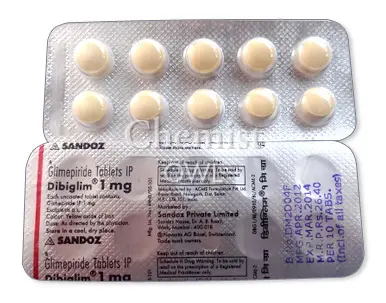
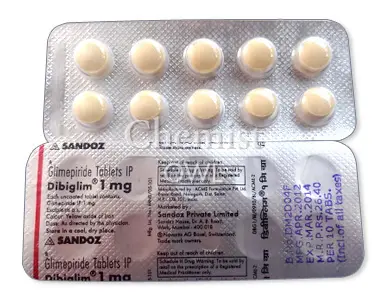
Glimepiride is a sulfonylurea oral antidiabetic agent indicated to improve glycemic control in adults with type 2 diabetes mellitus. It acts by binding to the pancreatic beta-cell sulfonylurea receptor (SUR1), closing ATP-sensitive potassium channels, and enhancing glucose-stimulated insulin secretion; its primary therapeutic use is to lower blood glucose when diet and exercise alone are insufficient.
Pharmacokinetically, glimepiride is well absorbed after oral administration with peak plasma concentrations in a few hours. It undergoes hepatic metabolism, predominantly via CYP2C9, with active and inactive metabolites excreted in bile and urine. The drug’s effects are relatively long-lasting, permitting once-daily dosing in most patients when used as monotherapy or in combination regimens.
Compared with older, first-generation sulfonylureas, glimepiride offers more predictable pharmacokinetics and a lower risk of prolonged hypoglycemia. It shares the same basic mechanism—stimulation of pancreatic insulin release—but with a profile generally favored for modern type 2 diabetes management. Relative to glipizide, glimepiride often provides similar glycemic efficacy with a longer duration of action, supporting once-daily dosing in many cases.
Glimepiride is a third-generation sulfonylurea; unlike some older agents, it tends to be associated with a more favorable risk profile in routine clinical use when renal function is near normal. Dose adjustments may be needed in hepatic impairment, elderly patients, or polypharmacy scenarios to maintain balance between efficacy and safety.
Glimepiride is employed to improve glycemic control in adults with type 2 diabetes when diet and exercise alone do not achieve target plasma glucose. It may be used as monotherapy or added to other antidiabetic agents, such as metformin, pioglitazone, or insulin, to achieve better HbA1c reduction and fasting plasma glucose control.
In clinical practice, dosing is individualized. Initiation commonly begins at a low daily dose with gradual titration to achieve glycemic goals while monitoring for hypoglycemia. It is not indicated for type 1 diabetes or diabetic ketoacidosis, and its use requires periodic assessment of renal and hepatic function as well as nutritional status.
Glimepiride, glipizide, and glyburide are all sulfonylureas but differ in generation, duration of action, and safety considerations. The following table summarizes practical contrasts to aid selection and monitoring in a clinical setting.
| Drug | Drug class | Mechanism | Dosing considerations | Safety notes |
|---|---|---|---|---|
| Glimepiride | Sulfonylurea, 3rd generation | Stimulates insulin secretion via SUR1 in pancreatic beta cells | Typically 1–4 mg once daily; up to 8 mg/day; adjust for hepatic function | Hypoglycemia risk; cautious in elderly and hepatic impairment |
| Glipizide | Sulfonylurea, 2nd generation | Stimulates insulin release; shorter duration than glimepiride | 5–10 mg daily; may be split; max 40 mg/day | Hypoglycemia risk; renal impairment requires monitoring |
| Glyburide (Glibenclamide) | Sulfonylurea, older generation | Stimulates insulin release; variable duration | 2.5–20 mg daily; caution in renal impairment | Higher hypoglycemia risk in the elderly; generally avoided in pregnancy |
Hypoglycemia is the principal safety concern with glimepiride, particularly in patients with irregular meals, renal or hepatic dysfunction, or concurrent drugs that affect glucose metabolism. Weight gain is a common adverse effect and may counteract metabolic goals. Rare hepatic or dermatologic reactions can occur and warrant monitoring.
In special populations, dose adjustments or alternative therapies may be preferred. Elderly patients and those with significant hepatic impairment require careful titration and surveillance for hypoglycemia. Interactions with other antidiabetic agents, alcohol, and certain drug classes can alter glucose balance and necessitate counseling and monitoring. Pregnancy and breastfeeding require consultation with obstetric guidance.
14–21 days. Free from £151.02 .
5–9 days. £22.65
−10% when paying with cryptocurrency.
−10% on all repeat orders.
All orders are packed in neutral, unbranded boxes with no product name on the outside.