📞  — free, 24/7
— free, 24/7 — free, 24/7| Package | Price per Dose | Price | |
|---|---|---|---|
| 90 pills | £0.93 | £111.74 £83.81 | |
| 60 pills | £0.99 | £78.52 £58.89 |
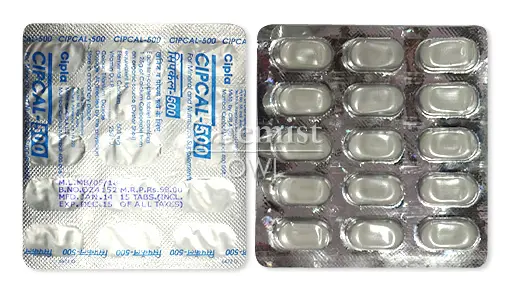
Calcium carbonate is a common mineral medicine sold in online pharmacies as a calcium supplement and as an antacid. It supplies calcium, a mineral essential for bones, teeth, and proper muscle function. Many people use it daily to help meet dietary needs or to relieve mild heartburn. In a pharmacy setting, the product is offered in tablets, chewables, or powders. The label should show the amount of elemental calcium per tablet and recommended daily intake. Read it carefully and do not exceed the dose without a clinician's advice.
Calcium carbonate is a simple salt made from calcium and carbonate. In the stomach it reacts with acids to form calcium ions, which enter the bloodstream. It is inexpensive and widely available without a prescription for light uses. Some forms are designed to work as an antacid, providing quick relief from sour stomach and acid reflux. Store the product in its original container away from moisture and heat to preserve potency.
The primary use is to prevent or treat calcium deficiency. It supports bone mineralization when dietary calcium is low. It is also used for temporary relief of heartburn and indigestion due to excess stomach acid. It may be taken with meals to aid absorption. People with low stomach acid or certain conditions should be guided by a health professional to avoid overuse. For pregnant patients, follow medical advice to balance benefits and risks.
Follow the package directions or the prescription label. Typical doses range from 500 mg to 1000 mg of elemental calcium per day in divided portions. For antacid use, smaller doses taken as symptoms appear may be suggested. Take calcium carbonate with a full glass of water. Do not chew large tablets if they are not meant to be chewable. If you miss a dose, take it if it is not close to the next one; do not double dose. When taking iron or some antibiotics, separate timing by at least two hours.
Most people tolerate calcium carbonate well. Common effects include gas, bloating, and constipation. If these symptoms persist or worsen, talk to a pharmacist. Very high calcium levels are rare but serious; seek medical help if you feel unusually thirsty, weak, or confused. Chronic high intake can burden the kidneys. People with kidney stones, kidney disease, or certain heart issues should use with caution and under medical supervision. Stop use and contact a clinician if you have severe symptoms or an allergic reaction.
Calcium carbonate can interact with some medicines. It may decrease the absorption of antibiotics like tetracyclines and fluoroquinolones if taken together, so space them apart by at least two hours. It can also affect iron absorption. Tell your pharmacist about all medicines you take to avoid clashes. Avoid taking high doses of calcium from multiple sources unless advised. If you have a history of kidney stones, kidney disease, or high calcium levels, talk to a health professional before use. In an online pharmacy, choose a trusted brand and check the label for purity, expiration date, and dosing guidance.
14–21 days. Free from £151.02 .
5–9 days. £22.65
−10% when paying with cryptocurrency.
−10% on all repeat orders.
All orders are packed in neutral, unbranded boxes with no product name on the outside.