📞  — free, 24/7
 — free, 24/7| Package | Price per Dose | Price | |
|---|---|---|---|
| 180 pills | £0.58 | £122.94 £104.50 | |
| 120 pills | £0.69 | £97.55 £82.91 | |
| 90 pills | £0.90 | £94.87 £80.64 | |
| 60 pills | £1.14 | £80.17 £68.15 | |
| 30 pills | £1.74 | £61.46 £52.24 | |
| 360 pills | £1.62 | £688.25 £585.01 Free shipping | |
| 180 pills | £1.69 | £358.15 £304.43 Free shipping | |
| 120 pills | £1.77 | £249.90 £212.41 Free shipping | |
| 90 pills | £1.86 | £197.78 £168.11 Free shipping | |
| 60 pills | £1.95 | £137.64 £116.99 | |
| 30 pills | £2.06 | £72.15 £61.33 | |
| 180 pills | £2.10 | £445.02 £378.26 Free shipping | |
| 120 pills | £2.20 | £311.37 £264.67 Free shipping | |
| 90 pills | £2.32 | £245.89 £209.01 Free shipping | |
| 60 pills | £2.43 | £171.05 £145.39 | |
| 30 pills | £2.56 | £90.86 £77.23 | |
| 10 pills | £2.82 | £33.40 £28.39 | |
| 90 pills | £3.83 | £404.92 £344.19 Free shipping | |
| 60 pills | £4.02 | £283.31 £240.81 Free shipping | |
| 30 pills | £4.23 | £149.67 £127.22 |
Gabapentin was discovered in the 1990s and approved by the U.S. FDA in 1993 for adjunctive treatment of partial seizures; since then it has become one of the most widely prescribed drugs for neuropathic pain. Its broad clinical use reflects its unique pharmacologic profile rather than direct GABA receptor activation.
Gabapentin is a structural analogue of GABA but does not act on GABA receptors. It binds to the alpha-2-delta subunit of voltage-gated calcium channels in the central nervous system, reducing release of excitatory neurotransmitters and dampening neuronal hyperexcitability. This mechanism underpins its analgesic and anticonvulsant effects.
Content in the body is not extensively protein-bound and the drug is excreted unchanged by the kidneys. Oral bioavailability declines with higher doses due to saturable absorption, hence careful dose titration is required to achieve target exposure and minimize adverse effects.
In official practice, gabapentin is approved for adjunctive therapy in partial seizures and for the treatment of postherpetic neuralgia. These indications reflect its role in stabilizing nerve signaling and reducing neuropathic pain.
Outside these approved uses, it is employed off-label for a range of neuropathic pain conditions, including diabetic polyneuropathy and certain central pain syndromes. It is chosen when other therapies are ineffective or poorly tolerated.
Some clinicians pursue additional indications such as anxiety disorders or sleep disturbances, but evidence varies by condition and region. Treatment decisions should align with patient-specific factors and clinical judgment.
Dosing is individualized and typically begins with a low dose and gradual titration. For seizures, a common pattern starts at 300 mg daily and increases to 900–1800 mg per day in divided doses over the first week, then up to a maintenance range of 900–3600 mg per day as needed and tolerated.
For postherpetic neuralgia, initiation often follows a similar ramp, with adjustments made toward 1800–3600 mg per day in divided doses depending on response and tolerability. Maximum daily doses vary by region and indication and should be guided by the prescriber.
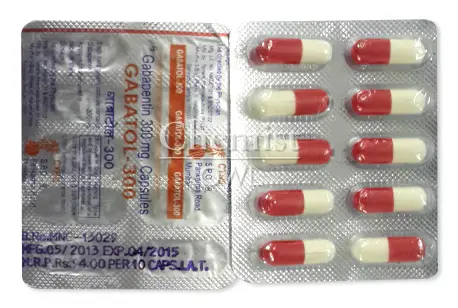
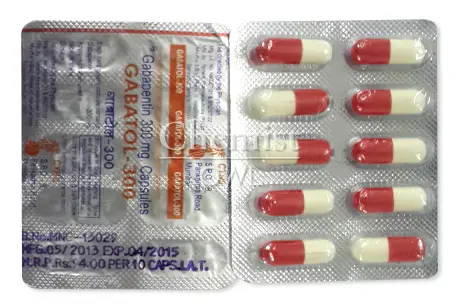
Formulations include capsules (100, 300, 400 mg), tablets, and an oral solution. It may be taken with or without food; however, taking it with meals can lessen adverse gastric effects in some patients. If a dose is missed, take it as soon as you remember unless it is near the next dose; do not double the next dose. Do not abruptly discontinue without medical guidance, as withdrawal can provoke symptoms including insomnia and anxiety.
Storage is at room temperature away from moisture and heat. Keep the medication in its original container, sealed if applicable, and out of reach of children. Check the label for expiration and discard any expired product appropriately.
Common side effects include dizziness, drowsiness, fatigue, and unsteadiness on your feet. Some people report coordination problems or double vision. These usually improve with time or dose adjustment.
Other frequent effects are nausea, dry mouth, and mild swelling of the hands or feet. Some patients notice weight changes or blurred vision. If these persist or interfere with daily activities, contact your clinician.
Less common but important concerns include mood or behavior changes, confusion, or thoughts of self-harm. Severe allergic reactions such as swelling of the face or throat require immediate medical attention. Alcohol can intensify sedation and should be used cautiously with gabapentin.
Seek medical advice if symptoms worsen, if new neurologic or psychiatric symptoms arise, or if you experience signs of an allergic reaction. Persistent severe dizziness or sedation that impairs daily function warrants evaluation.
Coordinate care with a clinician before stopping gabapentin, especially after long-term use, to avoid withdrawal seizures or other rebound effects. Kidney function, age, and concomitant medications may necessitate dose adjustments or alternative therapies.
Pregnant or breastfeeding individuals should discuss risks and benefits with a healthcare professional. Elderly patients and those with kidney disease require careful monitoring for dizziness, falls, and confusion, with dose adjustments as needed.
14–21 days. Free from £151.46 .
5–9 days. £22.72
−10% when paying with cryptocurrency.
−10% on all repeat orders.
All orders are packed in neutral, unbranded boxes with no product name on the outside.