📞  — free, 24/7
— free, 24/7 — free, 24/7| Package | Price per Dose | Price | |
|---|---|---|---|
| 360 pills | £0.76 | £321.13 £272.96 Free shipping | |
| 180 pills | £0.84 | £177.22 £150.63 | |
| 120 pills | £0.93 | £130.58 £110.99 | |
| 90 pills | £1.03 | £109.26 £92.87 | |
| 60 pills | £1.16 | £81.27 £69.08 | |
| 30 pills | £1.44 | £50.62 £43.03 | |
| 360 pills | £0.99 | £417.08 £354.52 Free shipping | |
| 180 pills | £1.06 | £225.19 £191.41 Free shipping | |
| 120 pills | £1.19 | £167.89 £142.71 | |
| 90 pills | £1.33 | £139.91 £118.92 | |
| 60 pills | £1.47 | £103.93 £88.34 | |
| 30 pills | £1.85 | £65.28 £55.49 | |
| 240 pills | £1.05 | £297.15 £252.57 Free shipping | |
| 120 pills | £1.16 | £162.56 £138.17 | |
| 90 pills | £1.35 | £142.57 £121.18 | |
| 60 pills | £1.55 | £109.26 £92.87 | |
| 30 pills | £1.73 | £61.28 £52.09 | |
| 180 pills | £1.51 | £318.47 £270.70 Free shipping | |
| 120 pills | £1.63 | £230.52 £195.94 Free shipping | |
| 90 pills | £1.74 | £185.21 £157.43 Free shipping | |
| 60 pills | £1.89 | £133.24 £113.26 | |
| 30 pills | £2.20 | £77.28 £65.68 |
Disclaimer: This information is for general guidance only and does not replace medical advice from your doctor or pharmacist. Always follow your healthcare professional’s instructions and read the official patient information leaflet that comes with your medicine.
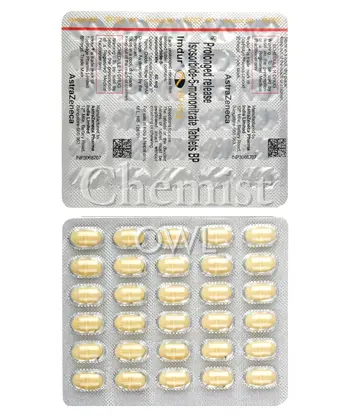
Imdur is a nitrate medication used to prevent chest pain caused by heart disease. It belongs to the nitrate family and works by widening your blood vessels to improve blood flow. This helps reduce the frequency of angina episodes and makes it easier to carry out daily activities. You may hear it called isosorbide mononitrate, which is the active ingredient.
Imdur is typically prescribed to prevent angina in people with stable coronary artery disease. It’s taken regularly so that the medicine stays in your system and can protect you during exertion or stress. It is not a medicine to treat chest pain that has already started; you would use a fast-acting product for immediate relief if prescribed by your clinician.
How it helps your body is simple to understand. By relaxing and widening the blood vessels, Imdur reduces the workload on your heart. That means less strain when your heart is pumping blood, which can lessen the chance of chest pain. If you notice a change in your symptoms, talk to your pharmacist or doctor promptly.
You will receive specific instructions from your prescriber about how to take Imdur. Do not change the dose or the timing without advice. If you ever feel faint or very lightheaded after taking Imdur, sit or lie down until the feeling passes and tell your clinician at your next contact.
There are several situations where Imdur should not be used. If you have a known allergy to isosorbide mononitrate or other nitrates, you should not take it. Be sure to tell your clinician about any previous adverse reactions to nitrate medicines.
You should not take Imdur if you have very low blood pressure or a condition that makes your blood pressure unusually low. If you have recently had a severe head injury or some types of brain bleeding, your doctor will assess whether Imdur is safe for you.
Imdur should not be used together with medicines used for erectile dysfunction or that widen blood vessels in a similar way. These combinations can cause a dangerous drop in blood pressure. Your clinician will check for potential interactions before starting Imdur.
Tell your pharmacist or doctor if you have kidney or liver problems, dehydration, severe anaemia, or if you have a heart condition known as severe aortic stenosis. These factors can affect whether Imdur is appropriate for you. When in doubt, check the official leaflet or ask a healthcare professional before starting or stopping any medication.
You may notice headaches when you start Imdur. This is common and often improves after a few days as your body adjusts. If headaches are persistent or troublesome, speak with your pharmacist or doctor about how to manage them.
Dizziness or lightheadedness, especially when you stand up quickly, can occur. This is because Imdur lowers blood pressure slightly. Rise slowly from sitting or lying positions and tell your clinician if you frequently feel lightheaded.
Your blood pressure and heart rate may be checked when you start Imdur or if you have any symptoms that worry you. If you notice fainting, chest pain that lasts or worsens, or severe symptoms, seek urgent medical help promptly.
Because Imdur is a preventive medicine, it is important to tell every health professional you see that you are taking it. This helps avoid interactions with other medicines or procedures that could affect your blood pressure or heart function.
The most frequent side effects are headaches, dizziness, and flushing (a warm or red face). These are usually mild and tend to improve after a short time as your body adjusts to the medicine.
Some people experience lightheadedness or a drop in blood pressure. If you feel faint, sit or lie down and rise slowly. Do not drive or operate machinery if you feel dizzy until you are sure you can do so safely.
You might notice a gentle upset stomach or a feeling of fullness in your head. If these persist, contact your pharmacist or doctor for advice. Most side effects do not last long and can often be managed with simple steps you discuss with a professional.
Although uncommon, severe allergic reactions or chest pain that is not relieved by Imdur require urgent medical attention. Seek help right away if you develop swelling of the face or lips, severe rash, or trouble breathing.
Very rarely, some people may experience fainting with no warning signs. If this occurs, stop the medicine and contact your clinician as soon as possible.
Imdur can interact with several types of medicines. Interactions may change how well Imdur works or increase the risk of side effects. Always tell your pharmacist about all medicines you take, including prescription drugs, over‑the‑counter products, and supplements.
To help organise safety checks, medicines and products are grouped into categories. This helps you and your clinician review potential risks before starting Imdur or adding new medicines.
Important interactions are most likely with medicines that also widen blood vessels or affect blood pressure. If you take these medicines, your clinician may adjust the treatment plan or monitor you more closely.
You should not take Imdur with medicines for erectile dysfunction unless advised otherwise by a doctor, as this combination can dangerously lower blood pressure. If you ever feel unwell after taking both, seek urgent medical help.
Tell your clinician about all drugs prescribed by different doctors. Examples of medicines that may interact include certain blood pressure medicines and other nitrates. Your pharmacist will review the list with you before starting Imdur.
Many non-prescription products exist. Some can affect blood pressure or interact with nitrates. Always check with your pharmacist before starting any new OTC medicine or supplement while you are taking Imdur.
Alcohol can lower blood pressure and may intensify dizziness or fainting in some people taking Imdur. It is wise to limit drinking and observe how you feel during activity or after meals.
Herbal or natural products can interact with nitrates in unexpected ways. If you are considering any supplement, discuss it with a pharmacist or doctor to prevent a risky interaction.
The safety of Imdur in pregnancy has not been established in all situations. If you may become pregnant or are pregnant, talk to your clinician about risks and alternatives. Do not start or stop any medication without medical advice.
Breastfeeding while taking Imdur is generally discussed with a clinician, as the drug can pass into breast milk. You and your clinician will decide the best approach for you and your baby.
Older adults may notice a different pattern of side effects or interactions with other medicines. Your clinician may adjust the dose or monitor you more closely if you are older. If you are a child or adolescent, the healthcare team will assess whether Imdur is appropriate for you and monitor response carefully.
Always inform your healthcare team about all health conditions you have and all medicines you take, including vitamins and herbal products, to ensure Imdur remains safe and effective for you.
Take Imdur exactly as prescribed. Do not change the dose or the timing unless your clinician tells you to. If you are unsure, ask your pharmacist for clarification in plain language.
Swallow the tablet whole with a glass of water. Do not chew or crush the tablets unless your prescriber specifically instructs you to do so. Some forms of Imdur may be designed to release medicine slowly; breaking the tablet could alter how it works.
Store Imdur in its original packaging, away from heat and moisture. Keep it out of reach of children and away from direct sunlight. Do not use medicine that has passed its expiry date or looks damaged.
Keep a simple record of how you feel on this medication, noting any headaches, dizziness, or chest pain. Share these notes with your clinician or pharmacist at your next appointment.
If you miss a dose, take it as soon as you remember, unless it is near the time for your next dose. Do not double the dose to catch up. If you are unsure what to do, contact your pharmacist for guidance.
If you think you have taken too much Imdur, seek urgent medical help or contact your local poison information service. Symptoms of overdose may include severe dizziness, fainting, or rapid changes in blood pressure.
Never share your medicine with someone else or use someone else’s prescription. Imdur is tailored to your health needs and personal medical history.
If you have any questions about how to take Imdur safely, speak with your pharmacist. They can review your medicines and help reduce any risk of interaction.
Alcohol can lower blood pressure and may increase dizziness. If you choose to drink, do so in moderation and monitor how you feel. Do not drive or operate heavy machinery if you feel lightheaded.
Some people feel dizzy or lightheaded, especially when they start treatment. If you notice dizziness or fainting, avoid driving until your doctor confirms it is safe to resume. Always prioritise safety if you feel unwell.
Most people do not require routine blood tests just for Imdur. Your clinician may check your blood pressure and heart rate, and ask about symptoms at follow-up visits. If you have liver or kidney problems, monitoring may be more frequent.
Take the missed dose as soon as you remember, unless it is almost time for your next dose. Do not double the dose to catch up. If you are unsure, call your pharmacist for advice.
The decision will depend on your specific circumstances. Talk with your clinician about the potential risks and alternatives. Do not start or stop any medication during pregnancy without professional advice.
Yes. Combining Imdur with medicines used to treat erectile dysfunction can cause a dangerous drop in blood pressure. Do not take these together unless a clinician explicitly approves, and tell them about all medicines you take.
A mild headache is common, especially in the first days. If headaches are severe, persistent, or affecting your daily activities, contact your pharmacist or clinician. They may suggest strategies to manage the pain or adjust your plan.
Imdur can lower blood pressure slightly. Your clinician will monitor you, and you should report any persistent dizziness, fainting, or unusually low readings. Do not adjust your own blood pressure medications without advice.
Do not stop abruptly without discussing with a clinician. Stopping suddenly can lead to a return of chest pain. If you plan to stop, your clinician can guide you on a safe way to discontinue.
No specific foods are required to be avoided for Imdur. However, eating large meals or consuming very hot foods can sometimes cause a temporary drop in blood pressure for some people. Monitor how you feel with meals and adjust if needed.
If chest pain occurs and is persistent or severe, seek urgent medical help. Do not assume it is just a side effect. Your clinician may reassess your treatment plan to ensure you are properly protected.
For trusted information, consult the official patient information leaflet that accompanies Imdur and speak with your pharmacist or doctor. The Medicines and Healthcare products Regulatory Agency (MHRA) information for nitrates and nitrates‑like medicines can also be helpful.
You can also refer to reputable online health information services that provide balanced, patient‑friendly details about nitrates, chest pain management, and heart disease. Always verify guidance with a healthcare professional before making changes to your treatment plan.
Remember: your safety comes first. If anything about Imdur worries you or if you notice new or unusual symptoms, contact your pharmacist or clinician promptly for personalised advice.
14–21 days. Free from £151.02 .
5–9 days. £22.65
−10% when paying with cryptocurrency.
−10% on all repeat orders.
All orders are packed in neutral, unbranded boxes with no product name on the outside.