📞  — free, 24/7
 — free, 24/7| Package | Price per Dose | Price | |
|---|---|---|---|
| 360 pills | £0.80 | £286.25 Free shipping | |
| 180 pills | £0.86 | £155.62 Free shipping | |
| 120 pills | £0.94 | £113.58 | |
| 90 pills | £1.02 | £92.00 | |
| 60 pills | £1.12 | £67.01 | |
| 30 pills | £1.36 | £40.88 | |
| 360 pills | £1.07 | £383.94 Free shipping | |
| 180 pills | £1.16 | £209.01 Free shipping | |
| 120 pills | £1.27 | £152.21 Free shipping | |
| 90 pills | £1.39 | £124.94 | |
| 60 pills | £1.53 | £92.00 | |
| 30 pills | £1.75 | £52.24 | |
| 10 pills | £2.03 | £20.44 | |
| 360 pills | £1.50 | £539.57 Free shipping | |
| 180 pills | £1.64 | £294.20 Free shipping | |
| 120 pills | £1.79 | £215.82 Free shipping | |
| 90 pills | £1.95 | £176.06 Free shipping | |
| 60 pills | £2.12 | £127.22 | |
| 30 pills | £2.43 | £72.69 | |
| 10 pills | £2.92 | £29.52 |
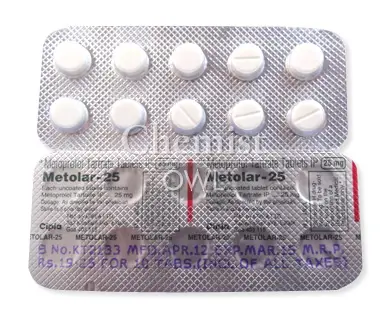
Lopressor is metoprolol tartrate, a heart medicine used in adults. It is a member of the beta-blocker family, a group of drugs that affect the heart’s rhythm and strength.
It belongs to medications that help the heart work more calmly. This can lower blood pressure and reduce how hard the heart must pump.
It is used to treat high blood pressure and to ease chest pain from angina. It may also be prescribed after a heart attack in some cases.
In short, Lopressor helps the heart beat more steadily and reduces strain on the heart muscle. Your clinician decides if it is right for you.
If you have high blood pressure, Lopressor may help lower it over time. This can reduce the risk of damage to your arteries and organs.
It is also used to lessen episodes of chest pain called angina. Those episodes happen when the heart doesn’t get enough blood and oxygen.
In some people, Lopressor supports heart health after a heart attack by reducing stress on the heart. This can aid recovery and prevent further problems.
Your clinician will consider your blood pressure, heart rate, and overall health when deciding if Lopressor is appropriate for you. Ongoing checks are common to tailor the plan to you.
It slows the heart rate and lowers blood pressure. This makes the heart work less hard during the day and at rest.
By blocking certain chemicals, it reduces how hard the heart has to pump, protecting against stress on the heart muscle. This is how it helps lower blood pressure and heart strain.
This medicine does not cure disease, but it helps the heart work more calmly. It is especially helpful during activity or stress from daily life.
It does not remove all heart problems, so ongoing monitoring by your clinician is important. Your plan may change based on how you respond.
Take it exactly as your clinician has advised. Do not change the dose or timing without checking first.
Lopressor tablets are usually taken at the same times each day, with or without food, unless your doctor says otherwise. Consistency helps keep the effect steady.
Swallow tablets whole with a glass of water. Do not chew or crush them, unless your clinician specifically tells you to.
If you miss a dose, do not double up; take the dose as soon as you remember unless it is near the time for the next dose. Then skip the missed dose and resume your regular schedule. If in doubt, contact your pharmacist for guidance.
Do not take Lopressor if you have asthma or another chest condition that makes breathing difficult. This can worsen breathing problems in some people.
People with certain slow heart rhythms, low blood pressure, or heart block should avoid this medicine unless advised otherwise by a doctor. Your heart rate and rhythm will be checked before starting treatment.
Avoid Lopressor if you are allergic to metoprolol or related medicines. If you have ever had a bad reaction, tell your clinician before starting Lopressor.
Some people should not start therapy, such as those with uncontrolled heart failure or certain lung or kidney conditions today. Your clinician will review your individual risks and benefits.
Tell your doctor about other medicines you take. Some medicines can interact with Lopressor and cause problems.
Some combinations can slow your heart or drop your blood pressure too far, especially with diabetes drugs, antiarrhythmics or antidepressants. Your clinician will check for these interactions.
Tell staff if you have swelling or wheeze. That can signal a reaction or an effect on the airways.
If you have diabetes, monitor sugars closely, as beta-blockers can mask signs of low blood sugar and complicate management.
Common effects may include tiredness or dizziness sometimes. These often improve as your body adjusts.
Some people notice cold hands, slow pulse, or feeling short of breath, especially after starting treatment or after dose changes.
Less common issues can include stomach upset occasionally. If you notice anything worrying, talk to your pharmacist or doctor.
If you develop severe symptoms, wheezing, swelling, fainting, or very slow breathing, seek urgent medical help and contact your pharmacist.
Avoid alcohol if it lowers your blood pressure. It can add to the blood pressure-lowering effect.
Tell your clinician about all medicines, vitamins, and herbal products, because some can interfere with Lopressor's effect or safety adversely.
Certain calcium channel blockers require careful monitoring together. These drugs can affect heart rate and blood pressure, so your clinician may adjust things.
Always check with a pharmacist before starting new medicines to avoid interactions that could affect blood pressure, heart rhythm adversely.
Discuss pregnancy plans with your doctor before treatment.
Metoprolol can affect a developing baby, so doctors weigh benefits and risks carefully during pregnancy and may suggest alternatives instead.
Breastfeeding safety should be discussed with your clinician.
If you become pregnant while using Lopressor, contact your team promptly to review options and safety for you and baby.
You may notice gradual effects over several days. Blood pressure changes and heart rate adjustments can occur slowly, so regular checks are important for progress.
Take the missed dose as soon as you remember, unless it is almost time for the next dose. Do not double up to catch up.
Taking with food is usually fine and recommended. This can help reduce stomach upset and may improve absorption.
The length depends on your condition and response. Your clinician will review regularly and adjust plan based on blood pressure and symptoms, as needed.
Long-term safety depends on your health and monitoring. Your doctor will balance benefits against risks with regular checks and by listening to your experience during follow-up appointments.
Some people need dose adjustments to reach target. Your clinician may add another medicine or change the plan after careful assessment.
Fatigue or dizziness may affect driving initially. Ensure you know how you respond before driving, especially after starting treatment.
Yes, it may mask some low sugar signs. If you have diabetes, monitor glucose closely and discuss changes with your healthcare team regularly.
Pregnancy requires careful risk discussion with your clinician. Some options may be safer, and your provider will explain benefits, risks, and plans.
Breastfeeding with Lopressor should be discussed first with your clinician. They can explain whether the drug passes into breast milk and options for you.
Yes, interactions are possible with other drugs. Always tell your pharmacist about all medicines to check for effects on heart rate, pressure, or rhythm.
Ask your pharmacist for the patient leaflet. They can explain terms and summarize safety points.
Your official leaflet contains full prescribing information attached with the medicine packaging.
Ask the pharmacist to explain any terms you find confusing and to summarize the key safety points for your understanding.
Your doctor or pharmacist can answer questions you have about Lopressor and your treatment plan.
If you are unsure about information you read online, verify it with a healthcare professional before making decisions about Lopressor.
14–21 days. Free from £151.46 .
5–9 days. £22.72
−10% when paying with cryptocurrency.
−10% on all repeat orders.
All orders are packed in neutral, unbranded boxes with no product name on the outside.