📞  — free, 24/7
 — free, 24/7| Package | Price per Dose | Price | |
|---|---|---|---|
| 360 pills | £0.79 | £334.59 £284.40 Free shipping | |
| 180 pills | £0.85 | £179.43 £152.52 | |
| 120 pills | £0.91 | £128.16 £108.94 | |
| 90 pills | £0.97 | £103.88 £88.29 | |
| 60 pills | £1.04 | £74.19 £63.06 | |
| 30 pills | £1.15 | £40.46 £34.39 | |
| 360 pills | £0.95 | £403.40 £342.89 Free shipping | |
| 180 pills | £1.02 | £215.86 £183.48 Free shipping | |
| 120 pills | £1.10 | £155.15 £131.87 | |
| 90 pills | £1.19 | £126.81 £107.79 | |
| 60 pills | £1.33 | £94.43 £80.27 | |
| 30 pills | £1.53 | £53.95 £45.86 | |
| 360 pills | £1.11 | £470.86 £400.23 Free shipping | |
| 180 pills | £1.23 | £260.38 £221.33 Free shipping | |
| 120 pills | £1.36 | £192.92 £163.98 Free shipping | |
| 90 pills | £1.49 | £157.84 £134.17 | |
| 60 pills | £1.65 | £116.02 £98.62 | |
| 30 pills | £1.92 | £67.45 £57.33 |
Disclaimer: This information is for general guidance and does not replace medical advice. Always consult your healthcare professional for personalised information about toprol.
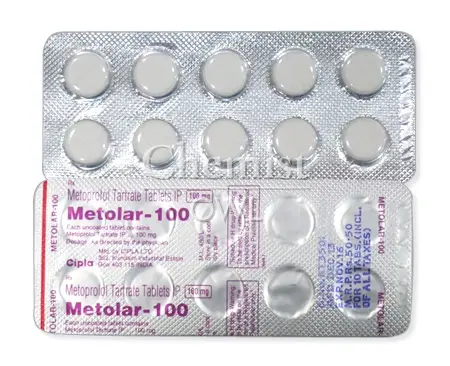
Toprol is a beta-blocker containing the active ingredient metoprolol; it is used to lower high blood pressure and to protect the heart from stress after a heart attack. The medicine works by reducing the heart’s workload and its tendency to race when stressed or active.
It belongs to the beta-adrenergic blocking drug class, which dampens the effects of stress hormones such as adrenaline on the heart and blood vessels. By doing so, it helps slow heart rate and decreases blood pressure, contributing to more stable heart function in many conditions.
Toprol is available in different formulations, including immediate-release and extended-release forms, which influence how long the medicine acts in the body and how often it needs to be taken. The exact product name and salt form may vary by manufacturer and formulation, and your clinician will choose the one best suited to your condition.
In the United Kingdom, toprol is typically prescribed by a clinician and supplied by a pharmacist. Your pharmacist can advise on the specific product you have, how long it lasts, and how to take it safely alongside any other medicines you use.
Toprol is used for several cardiovascular conditions, often as part of a broader treatment plan. Its role is to slow the heart, lower blood pressure, and reduce the heart’s oxygen demand during activity or stress.
The following are common reasons doctors prescribe toprol in adults:
In some patients, metoprolol may be used as part of treatment for heart failure with reduced ejection fraction, under specialist care and careful monitoring. Some clinicians may consider it for migraine prevention in select cases, though this is not the primary cardiovascular indication and depends on local practice and a clinician’s judgement.
Individual treatment plans vary, and the decision to start toprol takes into account other conditions, medications, and the patient’s tolerance of beta-blockers. If symptoms persist or change, a clinician may adjust the plan rather than stopping treatment abruptly.
Toprol acts on receptors called beta-adrenergic receptors in the heart and blood vessels. By blocking these receptors, it blunts the effects of stress hormones such as adrenaline, reducing the body’s “fight-or-flight” response in the cardiovascular system.
This reduces heart rate, lowers the force of each heartbeat, and helps widen blood vessels, all of which lower blood pressure and reduce the heart’s workload. The result is more stable blood flow and less strain on the heart during activity or stress.
Metoprolol also decreases the release of renin from the kidneys, contributing to the blood-pressure-lowering effect. These actions together help stabilise heart rhythm and oxygen demand, which can be particularly important after a heart attack or in the management of angina.
The net effect is a gentler, more predictable heart pace with reduced cardiac stress during daily activities and exercise, which can improve symptoms and outcomes in certain cardiovascular conditions when used as part of a comprehensive treatment plan.
Your clinician will decide the right dose and formulation for you, and you should follow their instructions closely. Do not adjust the dose yourself unless advised by a clinician, as changes can affect heart function and blood pressure unpredictably.
Take toprol exactly as prescribed. Do not stop taking it suddenly without medical advice, because stopping can lead to a rapid return of heart-related symptoms or a rebound rise in blood pressure. If you have concerns about side effects or tolerability, discuss them with your clinician rather than making changes on your own.
Timing varies by product. Some people take it once daily with a long-acting formulation; others take it twice daily with a standard formulation. Your pharmacist will provide specific guidance for your product, including the expected duration of action and what to do if you miss a dose.
Toprol can be taken with or without food. If it upsets your stomach, taking it with a small meal may help. Do not chew or crush sustained-release forms unless your clinician specifically instructs you to do so, as this can release the drug too quickly and cause side effects.
In the event you miss a dose, take it as soon as you remember unless it is almost time for your next dose. Do not double up to make up for a missed dose; if you are unsure, contact your clinician or pharmacist for advice. If you have missed several doses, seek guidance promptly to determine the safest course of action.
Toprol should not be used in people who have certain conditions that make its use unsafe. Contraindications are important to review before starting therapy.
Important contraindications include severe bradycardia (very slow heart rate) and certain types of heart block, unless a clinician has provided a specific plan to manage these conditions. It should not be used in people with cardiogenic shock or decompensated heart failure requiring urgent support, or in those with severe asthma or obstructive airway disease where bronchospasm could be dangerous.
Allergic reactions to metoprolol or other beta-blockers are contraindications; discuss any known drug allergies with your clinician. In pregnancy or breastfeeding, use only if clearly indicated and under medical supervision, as discussed with a healthcare professional. If you have a rare heart or lung condition, share the details with your clinician to assess safety.
If you are unsure whether you fit a contraindication, check the official patient information leaflet and talk with your doctor or pharmacist before starting toprol. They can help determine whether an alternative treatment is more appropriate for you.
Starting or stopping toprol should be done under medical supervision because changes in heart rate, blood pressure, or heart rhythm can occur as the body adjusts. Your clinician may monitor you with regular check-ins and blood tests if needed.
People with diabetes should be aware that symptoms of low blood sugar may be masked while taking beta-blockers, and blood sugar management may require closer monitoring during treatment. If you have diabetes or fluctuating blood sugar, discuss monitoring plans with your clinician.
Those with liver disease may need dose adjustments or more frequent monitoring, since metoprolol is processed by the liver and liver function can influence how long the drug stays in the body.
Patients with heart failure require careful monitoring; symptoms such as swelling, shortness of breath, or rapid weight gain should prompt contact with a clinician. Abrupt withdrawal can worsen heart failure or provoke chest pain, so a tapering plan is usually necessary and should be guided by a clinician.
Most people tolerate toprol well, but side effects can occur as the body adjusts to the medicine. Being aware helps you act quickly if symptoms become troublesome.
Common effects include fatigue, dizziness or lightheadedness, and cold hands or feet. Some people notice slow heart rate or faintness, especially after the first weeks of treatment, which may improve over time or with dose adjustments.
Other possible effects include stomach upset, sleep disturbances, and shortness of breath or wheeze in people with underlying lung disease, though these are not universal and may be influenced by dose and formulation.
More severe but rare reactions may require urgent medical attention. Seek help if you notice very slow heartbeat, fainting, swelling of the ankles or face, severe wheezing, or signs of an allergic reaction such as rash or swelling of the lips or tongue. Contact a clinician promptly if you experience these symptoms.
Toprol can interact with other medicines, foods, and supplements, which may change how well it works or raise the risk of side effects. Always tell your clinician about every medicine you take, including over-the-counter products and herbal supplements.
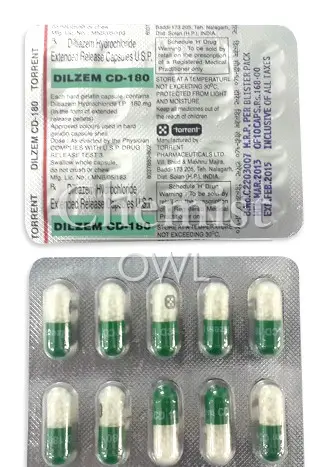
Medicines that also slow the heart or lower blood pressure, such as certain calcium channel blockers (for example, diltiazem or verapamil), may increase the risk of bradycardia or hypotension and require dose adjustment or closer monitoring. Inform your clinician if you are taking these medicines.
Some diabetes medicines and insulin can interact due to changes in heart rate or blood sugar control; your clinician may adjust the overall treatment plan if you are managing diabetes while taking toprol.
Nonsteroidal anti-inflammatory drugs (NSAIDs) can affect blood pressure control in some people and may reduce the antihypertensive effect of toprol. Discuss NSAID use with your clinician if you regularly take them for pain or inflammation.
Alcohol, caffeine, and certain herbal supplements can influence how you feel on toprol; moderation or avoidance may be advised depending on your response. Always tell your doctor about all medicines and supplements you take to manage interactions safely.
Pregnant people should use toprol only if the benefits to the mother clearly outweigh potential risks to the fetus, and this decision is made by a clinician after weighing alternatives. Discuss options early in pregnancy with your healthcare team.
There is limited information about safety in early pregnancy; metoprolol may affect fetal growth or development in some cases, so risk assessment is essential and may lead to changes in treatment during pregnancy.
Breastfed infants may be exposed to metoprolol through breast milk; the amount is usually small, but doctors may choose to adjust treatment or monitor the infant. Discuss with your clinician if you are breastfeeding or planning to breastfeed while taking toprol.
If you become pregnant while taking toprol, contact your clinician promptly to discuss next steps, monitoring, and any necessary adjustments to your treatment plan. Making changes without professional guidance can be risky for both mother and baby.
Before using toprol, you may have questions about how quickly it works, safety, and how long to continue treatment. The following Q&As cover common concerns in plain language.
Always consult your clinician for personalised advice, especially if you have other medical conditions or take other medicines. This information is not a substitute for professional guidance.
For dosing and administration details, refer to the official patient information leaflet and speak with your pharmacist or doctor for product-specific instructions.
In many cases, toprol is prescribed alongside other antihypertensive medicines. Your clinician will check for interactions and adjust doses if needed. Do not add or change medications without professional advice.
Some people notice improvements in heart rate and symptoms within days to a few weeks. Others may take longer for full effects, depending on the condition, the specific formulation, and how your body responds to treatment.
If you miss a dose, take it as soon as you remember unless it is almost time for your next dose. If it is near the next dose, skip the missed dose and resume your regular schedule. Do not double up to compensate unless advised by a clinician.
Alcohol can interact with heart medicines and may increase side effects such as dizziness or low blood pressure. Discuss your alcohol use with your clinician to determine what is safe for you, and consider avoiding excess intake if you are starting therapy.
Abruptly stopping toprol can cause a rebound rise in heart rate or chest pain. Do not stop without first consulting your clinician, who can guide a gradual taper if appropriate.
Toprol can affect how your heart rate responds to exercise and may influence how you feel during activity. Your clinician can tailor an exercise plan and monitor symptoms during physical activity.
For many conditions, treatment is long-term under medical supervision. Your clinician will reassess regularly and adjust the plan as needed based on response and tolerability.
If you develop signs of a serious allergic reaction, very slow heart rate, or severe breathing problems, seek urgent medical help immediately and contact your healthcare professional as soon as possible.
Always read the official patient information leaflet supplied with your medicine for specific details about ingredients, storage, contraindications, and warnings. The leaflet is a primary source of information for patients and caregivers.
Your GP, pharmacist, or nurse can answer questions about toprol and how it fits with your overall care plan. If you have concerns or experience unexpected symptoms, contact your healthcare professional promptly to discuss next steps.
If you need independent advice, consider speaking with a pharmacist at your local pharmacy for information on interactions, side effects, and safety. For urgent questions or if you experience a severe reaction, seek immediate medical help and follow local NHS or healthcare guidance as advised by your clinician.
14–21 days. Free from £152.91 .
5–9 days. £22.94
−10% when paying with cryptocurrency.
−10% on all repeat orders.
All orders are packed in neutral, unbranded boxes with no product name on the outside.