📞  — free, 24/7
— free, 24/7 — free, 24/7| Package | Price per Dose | Price | |
|---|---|---|---|
| 3 tubes | £65.70 | £281.53 £197.07 Free shipping | |
| 2 tubes | £75.32 | £215.19 £150.63 | |
| tube | £88.34 | £126.20 £88.34 |
Disclaimer: This page provides general information about Vaniqa. It is not a substitute for medical advice from a healthcare professional.
In the United Kingdom, Vaniqa may require a prescription depending on local rules. Always follow the product leaflet and seek advice from a doctor or pharmacist if you have questions.
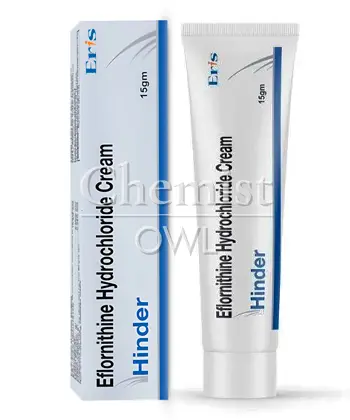
Vaniqa is a topical cream that contains the active ingredient eflornithine hydrochloride. It is used to slow the growth of facial hair where it is applied.
It is not a hair removal product by itself. Hair may continue to grow, but at a slower rate with regular use on the treated areas.
In the UK, Vaniqa is typically prescribed for adults who want to reduce facial hair growth. Depending on local rules, a prescription may be required. Always use Vaniqa as directed in the product leaflet or by a healthcare professional.
If you are unsure whether this medicine is suitable for you, talk to a doctor or pharmacist. They can explain how to use it and what to expect from treatment.
Vaniqa is used to slow the growth of unwanted facial hair in adults. It is intended to be used on the skin of the face or neck where hair growth is a concern.
It is not a treatment for an underlying hormonal condition. If you are concerned about rapid or unusual hair growth, discuss this with a clinician to identify the cause and appropriate management.
Results vary between individuals. Some people notice slower hair regrowth after several weeks of regular use, while others may need longer before assessing effectiveness. Your clinician can give guidance based on your situation.
Vaniqa is part of a broader approach to managing facial hair, which may also include shaving, depilation, or other cosmetic methods. Talk to a clinician about what combination of approaches may suit you best.
Vaniqa contains eflornithine, an enzyme inhibitor. It interferes with an enzyme involved in the hair growth process when applied to the skin.
This action slows the rate at which facial hair grows back in the treated area. It does not remove hair immediately, and it does not affect hair on other parts of the body unless the cream is applied there.
The cream acts locally on the skin where it is applied. It is not designed to affect distant parts of the body when used correctly.
Effectiveness depends on consistent, as-directed application. If instructions are not followed, results may be less predictable. For individual timing, follow the advice given by a healthcare professional or in the patient information leaflet.
As with any medicine, if you have questions about how Vaniqa works for you, ask a doctor or pharmacist for guidance.
Read the product information leaflet that comes with the medicine before you start. It contains details about how to use Vaniqa safely.
Wash your hands and carefully clean and dry the area of skin where you will apply the cream. This helps ensure the medicine works as intended.
Apply a thin layer of Vaniqa to the affected area as directed by a clinician or the leaflet. Use only the amount recommended for your skin area.
Allow the cream to dry completely before applying other products or makeup to the treated skin. This helps prevent interference with the medicine’s action.
Avoid applying Vaniqa to the eyes, inside the nose or mouth, or to broken or irritated skin. If the cream accidentally gets into the eyes, rinse with clean water and seek advice if irritation persists.
The dosing frequency and duration are described in the leaflet and should be followed. Do not use more than instructed or apply more often than advised by a clinician.
Do not use Vaniqa if you are allergic to eflornithine or any of the other ingredients in the cream. If you have previously had a reaction to this medicine, tell your clinician before using it again.
Avoid applying Vaniqa on areas of skin that are damaged, inflamed, or infected. If you have a skin condition on the face, discuss its suitability with a healthcare professional before starting treatment.
If you are under 18 years old, talk to a doctor or pharmacist before using Vaniqa. The medicine is generally prescribed with adult supervision, and a clinician can advise whether it is appropriate for younger users.
If you are pregnant, planning a pregnancy, or breastfeeding, discuss use with a clinician before starting Vaniqa. They can help assess benefits and any potential risks for you and your baby.
Tell your doctor or pharmacist about all medicines you use on the skin, including other creams, gels, or prescribed medicines. Some combinations may irritate the skin or interact in unexpected ways.
If you experience persistent or severe skin irritation, stop using Vaniqa and seek medical advice. Your clinician can suggest whether to continue or adjust treatment.
Avoid contact with eyes. If accidental exposure occurs, rinse with water and seek advice if irritation develops or persists.
Keep Vaniqa away from other facial products that could irritate the skin at the same time. If you use other products, discuss with a clinician whether to adjust the timing or order of application.
Most people tolerate Vaniqa well, but some may notice skin irritation at the application site. This can include redness, burning, itching, or a feeling of warmth.
Dryness or flaking of the skin on the treated area can occur. If this is bothersome, speak with a healthcare professional about remedies or adjustments to treatment.
A very small number of people may develop a rash or swelling on the skin. If you notice swelling of the face or lips, trouble breathing, or signs of a severe allergic reaction, seek urgent medical help.
If you have any other unusual or persistent symptoms while using Vaniqa, contact a doctor or pharmacist for advice. Do not continue using the medicine if you think you are having a serious reaction.
Vaniqa is applied to the skin and acts locally. There are no well-known interactions with most oral medicines. It is still important to tell your doctor about all medicines you use, including over‑the‑counter products and vitamins, especially those applied to the face.
If you use other facial skin products, talk to a clinician about how to use them together. They may advise timing differences or conditions to reduce irritation.
Be careful with eye makeup or skin products around the treated area. Allow the cream to dry before applying other products on top of it, unless advised otherwise by a healthcare professional.
The safety of Vaniqa during pregnancy has not been established. If you are pregnant, planning to become pregnant, or breastfeeding, discuss use with a clinician before starting treatment. They can help determine whether the benefits to you outweigh any potential risks.
If you are breastfeeding or plan to breastfeed, talk to a healthcare professional about whether Vaniqa is appropriate for you. They can provide guidance based on your individual situation.
In general, do not start Vaniqa during pregnancy or while breastfeeding unless advised by a clinician who has reviewed your medical history and current treatments.
Always follow the advice given in the patient information leaflet and by your healthcare professional regarding use during pregnancy or breastfeeding. If you have concerns, seek a professional opinion before continuing with treatment.
Below are common questions people ask about Vaniqa. If your question is not answered here, please consult a doctor or pharmacist for personalised advice.
Answers are general and do not replace medical guidance. Always follow the product leaflet and a clinician’s instructions.
Use of Vaniqa may depend on local regulations. If you are unsure about prescription status or availability in your area, speak to a pharmacist or healthcare professional.
Some people notice slower hair growth after several weeks of regular use. Others may take longer to see a difference. Individual results vary depending on skin type and how consistently the treatment is used.
It is important to use Vaniqa exactly as directed and to be patient while the treatment takes effect. If you have concerns about how your skin is responding, discuss this with a clinician.
If you miss a scheduled application, apply Vaniqa as soon as you remember, unless it is almost time for the next dose. Do not double up to make up for a missed dose. If you are unsure what to do, ask a pharmacist for guidance.
Vaniqa is used to slow growth in the treated area and is often used alongside other hair reduction methods. Talk to a clinician about combining methods and the best order of application, especially if you use products that can irritate the skin.
Your clinician will advise how long to continue treatment. Some people use it for months or longer if they wish to maintain slower hair growth. If your needs change, discuss stopping or adjusting treatment with a healthcare professional.
Rinse immediately with plenty of clean water if the cream comes into contact with the eyes, nose, or mouth. If irritation persists, seek medical advice.
Makeup and other facial products can be used after the cream has dried, but avoid layering products directly on top of freshly applied medicine. If in doubt, ask a clinician for guidance on timing.
Vaniqa can cause irritation in sensitive individuals. If you have very sensitive skin or a history of skin reactions, discuss this with a clinician before starting treatment. They may suggest precautions or alternatives.
Medication requirements vary by location. In the UK, Vaniqa may require a prescription depending on local rules. Check with a pharmacist or doctor to confirm how you obtain it in your area.
If you notice signs of a serious allergic reaction, such as swelling of the face or lips, or trouble breathing, seek urgent medical help. Do not continue using the cream without medical advice.
Information about how Vaniqa works and how to use it is based on the patient information leaflet that accompanies the medicine and standard guidance provided by healthcare systems in the United Kingdom.
For further guidance, healthcare professionals can refer to official product documentation and pharmacology references that cover eflornithine-containing topical medicines.
Always confirm details with your doctor or pharmacist, and consult the official leaflet that comes with your specific product for the most accurate and up-to-date instructions.
If you have questions about the suitability of Vaniqa for your situation, a clinician can help assess benefits and risks in your individual case.
14–21 days. Free from £151.02 .
5–9 days. £22.65
−10% when paying with cryptocurrency.
−10% on all repeat orders.
All orders are packed in neutral, unbranded boxes with no product name on the outside.